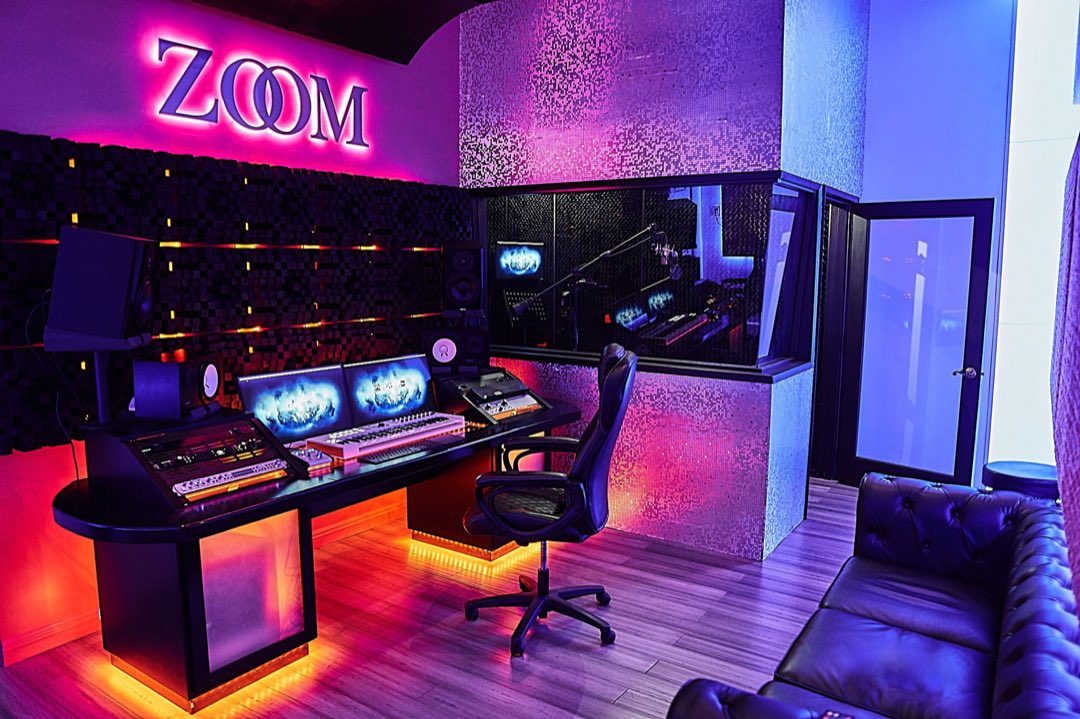
Music Studios in Los Angeles
Recording, rehearsal, podcast and ADR studios in Los Angeles, with prices and neighborhoods.
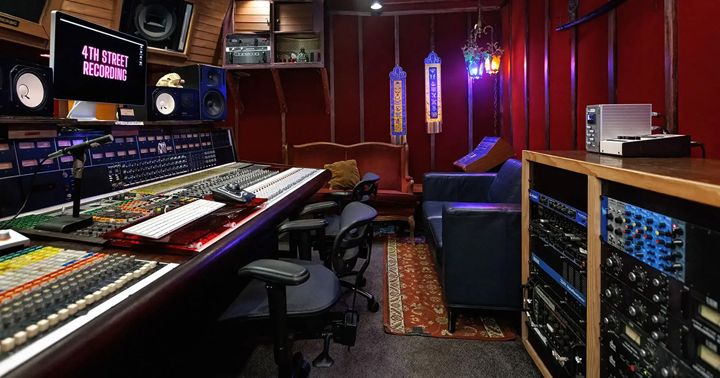
4th Street Recording
Recording studio in Santa Monica, a block from the Third Street Promenade.
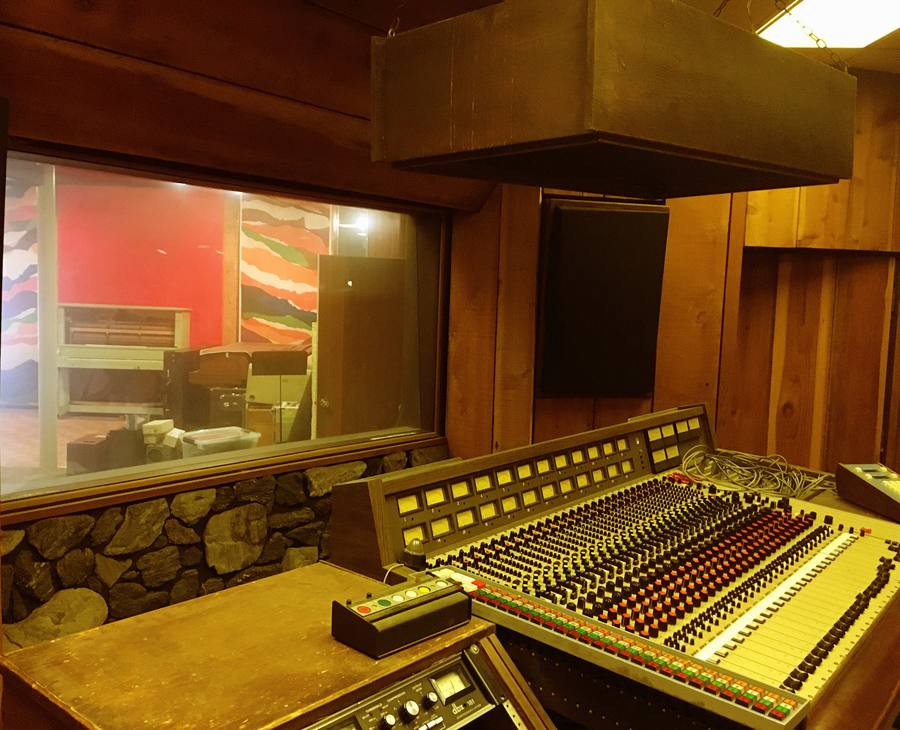
64 Sound
Vintage and modern recording studio in Highland Park in a restored mid-1970s space, with a tracking room of nearly 1,000 sq ft, vocal rooms...
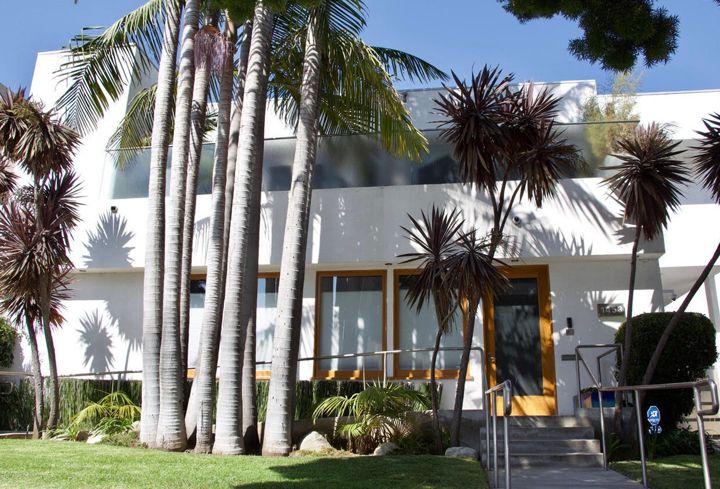
7th St. Media Station
Private, clubhouse-styled recording studio in Santa Monica with multi-lingual talent services.
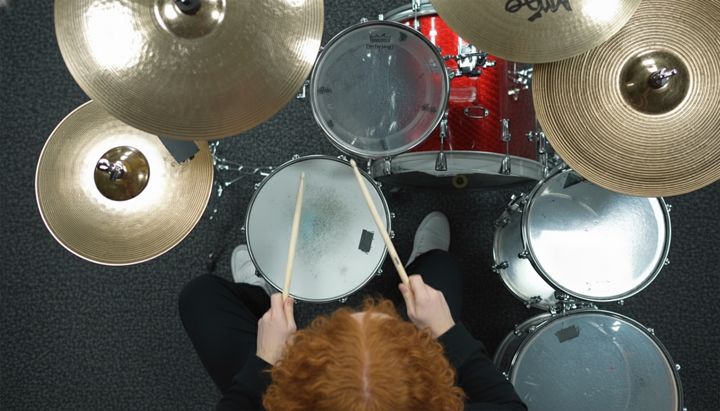
7th Street Rehearsal
24/7 soundproof rehearsal rooms for bands, musicians and solo artists, with secure parking. Formerly Downtown Rehearsal.
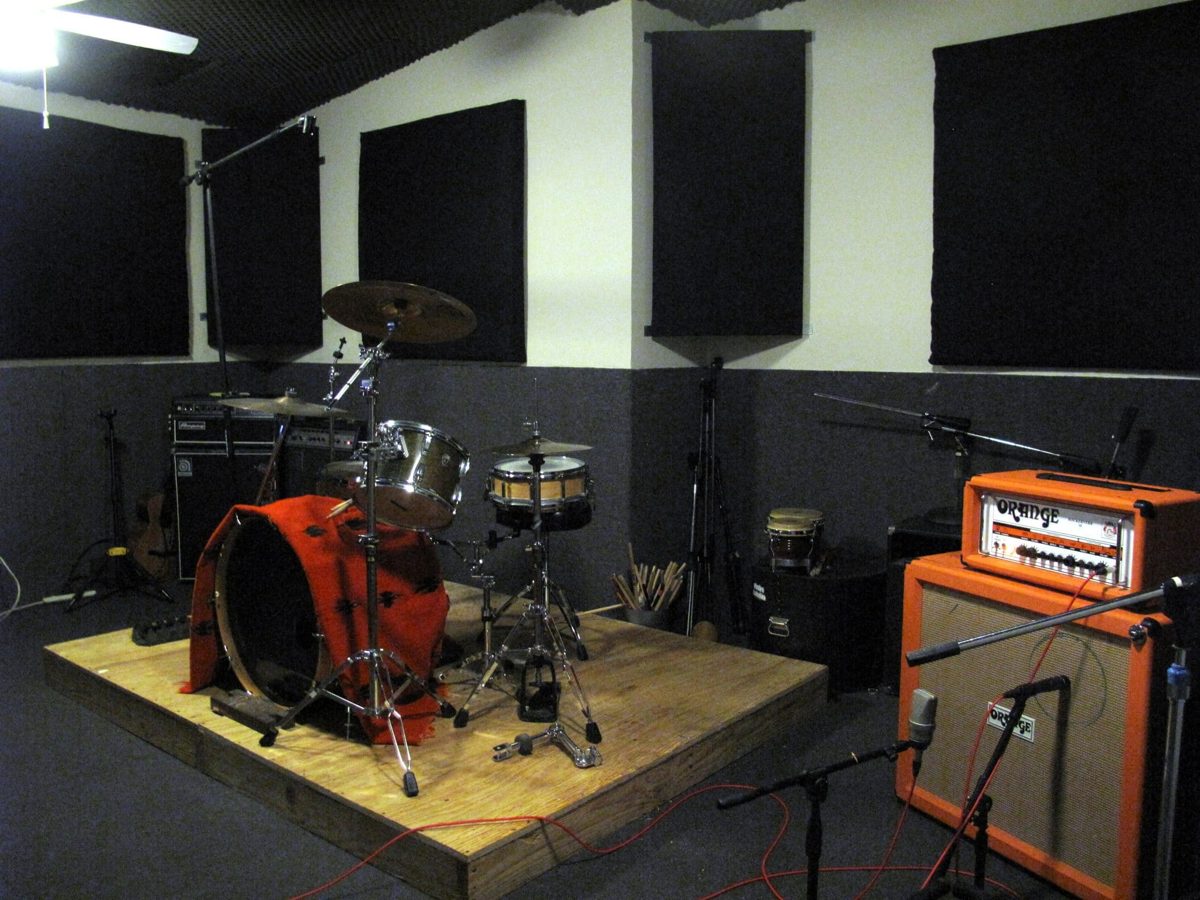
ABC Rehearsals
Affordable monthly lockouts with soundproofed rooms for rehearsals.
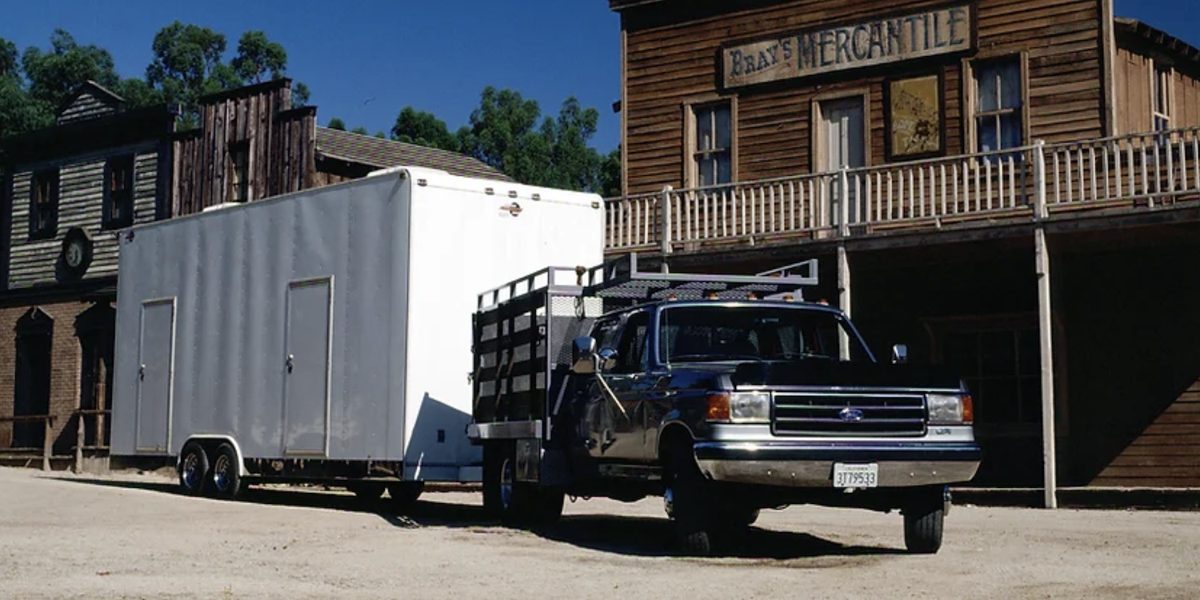
ADR Trailer (Mobile Recording)
Mobile ADR studio with climate control and advanced acoustics.
AFM Local 47 Rehearsal Studios
Rehearsal rooms run by the Musicians Union of Los Angeles (AFM Local 47) in Burbank, from small practice rooms to an orchestral rehearsal...
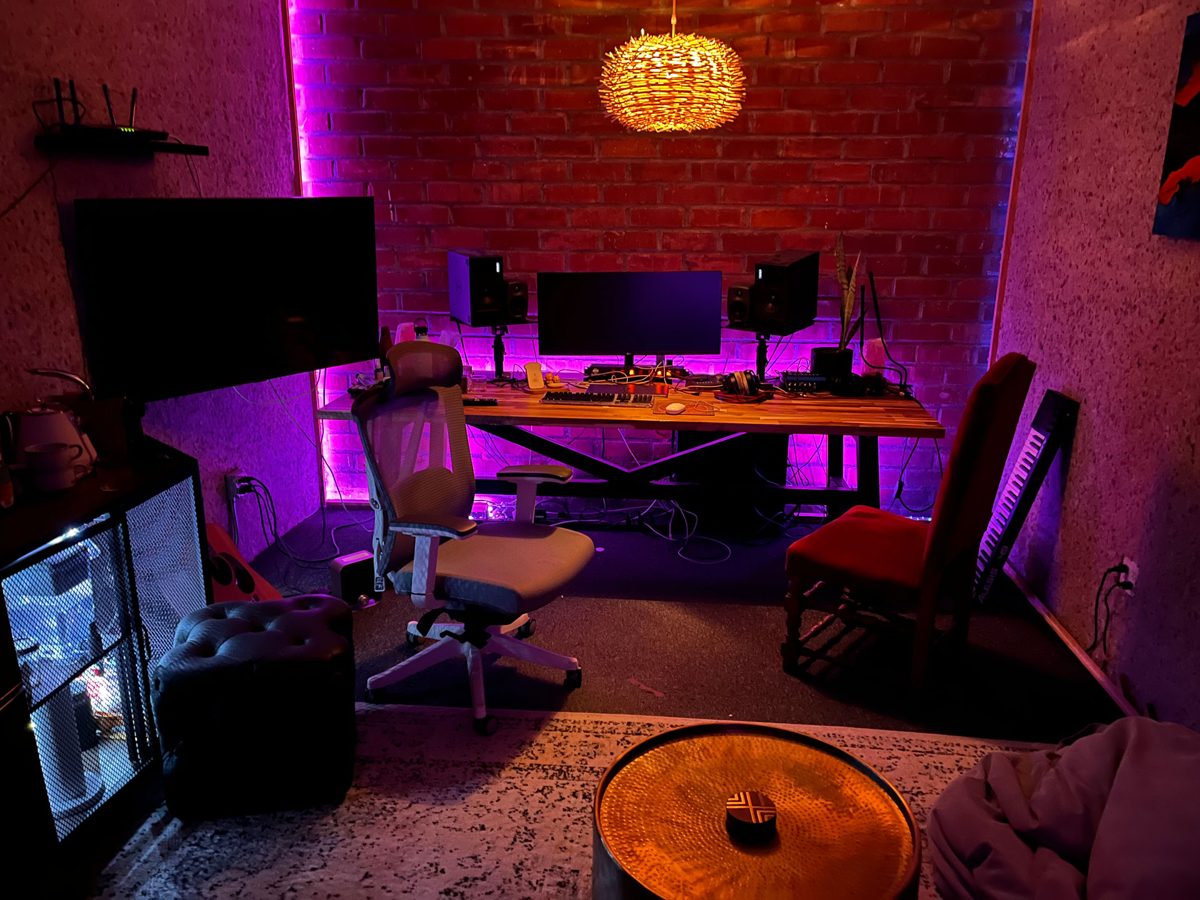
All Access Studios
Creative sanctuary fostering high-character tenants in a professional environment.
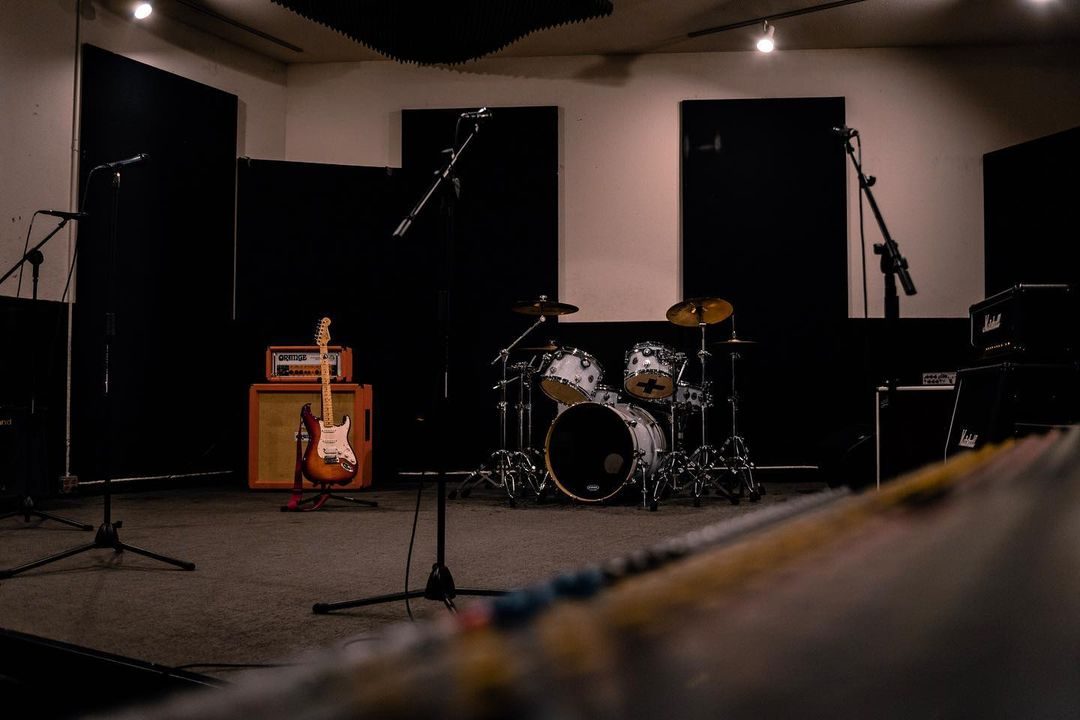
Amp Rehearsal
Affordable rehearsal studios with essential equipment and soundproofing features.
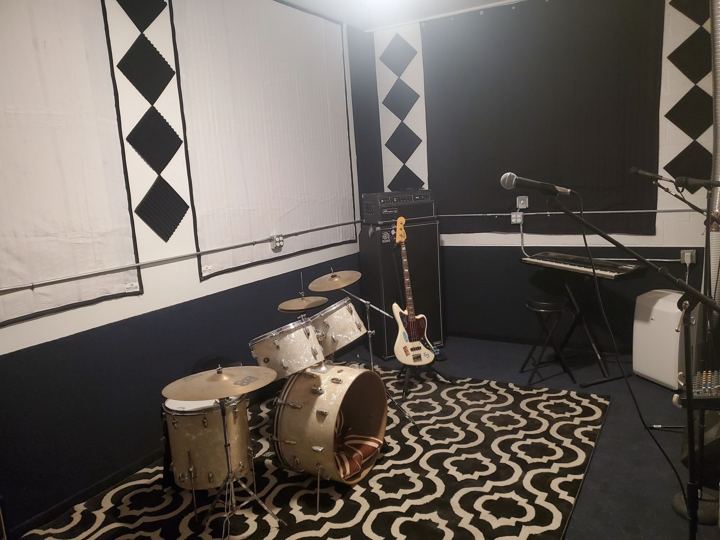
ARW Studios
Rehearsal studio in Torrance with monthly lockouts (24/7 access), hourly rooms with full backline, and shared plans.
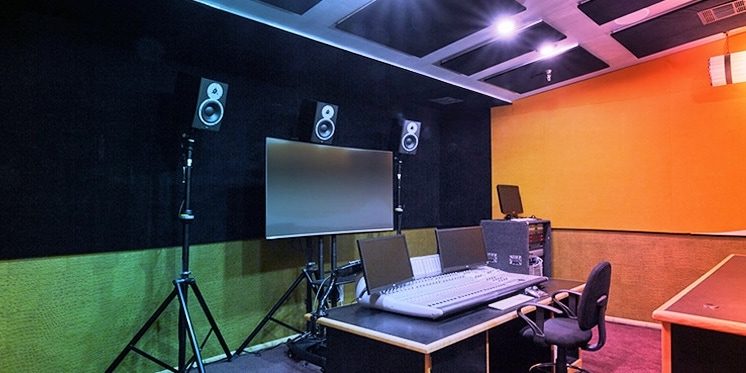
Aura Sound & Color
Boutique post-production studio prioritizing personalized client experiences and technology.
Avli Music Productions
Woodland Hills studio for music production, vocal production, recording, mixing, mastering and podcast and video recording.
Backyard Buddha Recording Studios
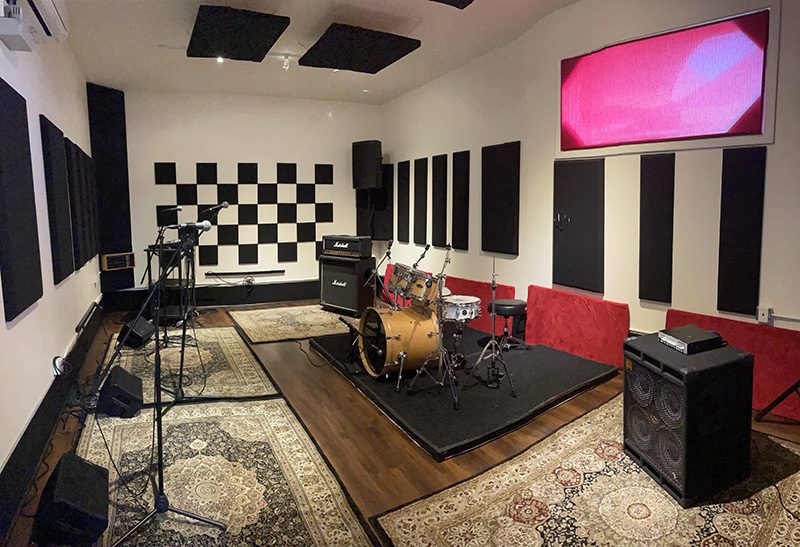
Beat Garage
Affordable rates, clean gear, acoustically-treated rooms, ideal for songwriters.
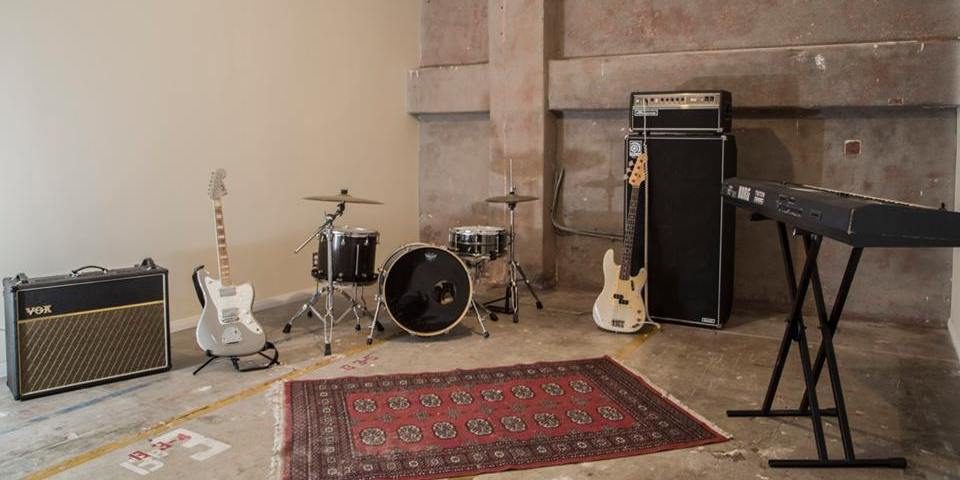
Black Diamond
Fifty private studios with 24/7 access, no gear rentals.
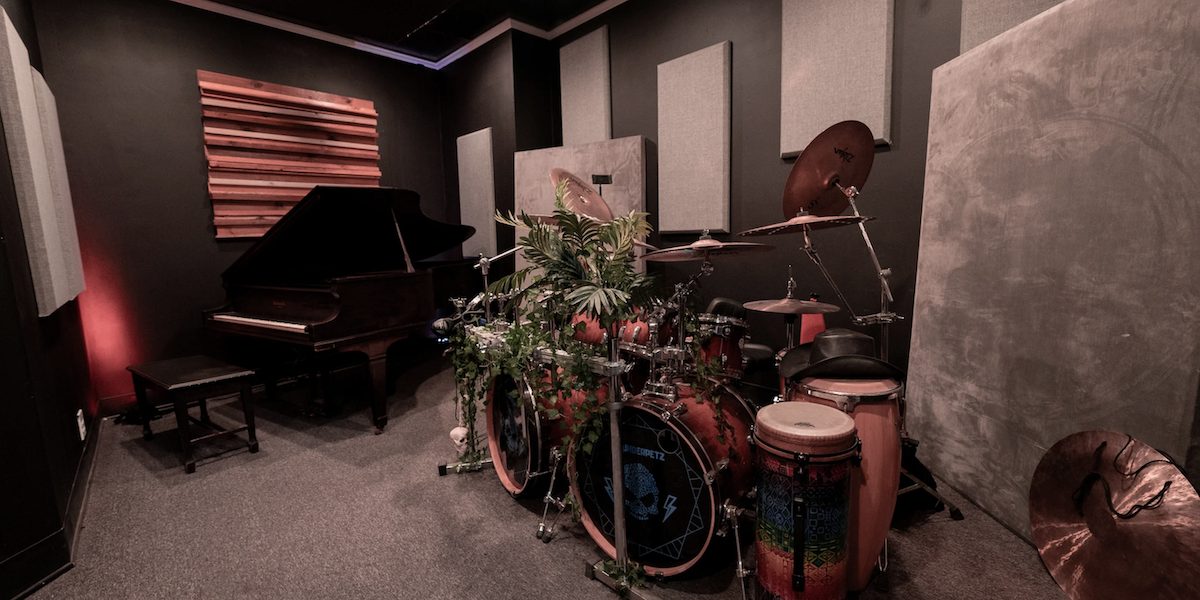
Black Lotus
Affordable world-class recording rooms designed for independent artists.
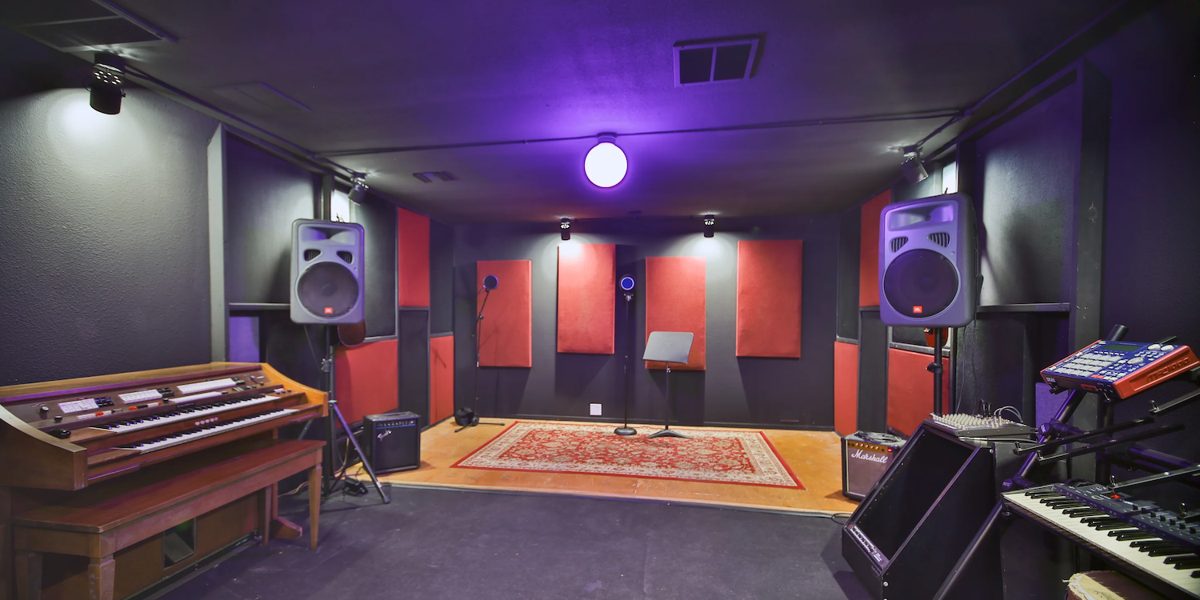
Broken Complex
Fully equipped studios with skilled engineers and unique amenities available.
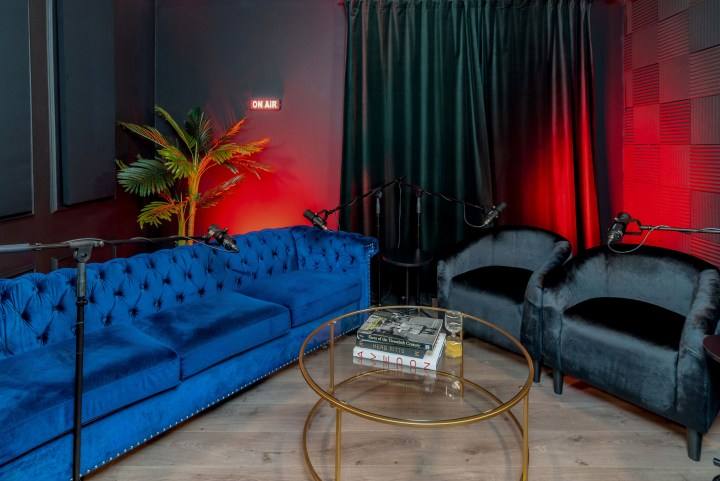
Brookie Podcast Studio
Private podcast studio in Santa Monica with mics, three cameras and a video switcher. Raw audio and video delivered.
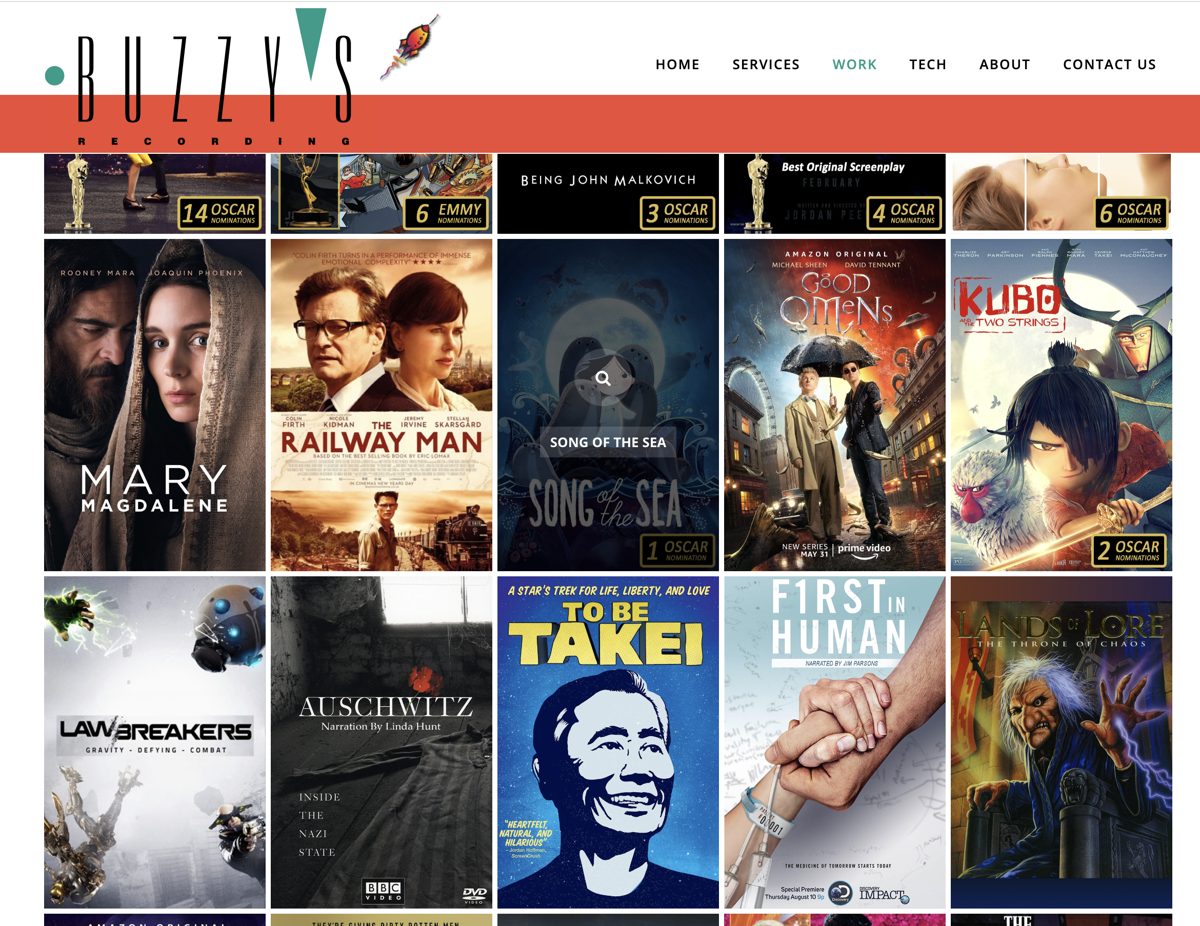
Buzzy’s
Comfortable ADR booths, live ensemble recording, and remote connectivity options.
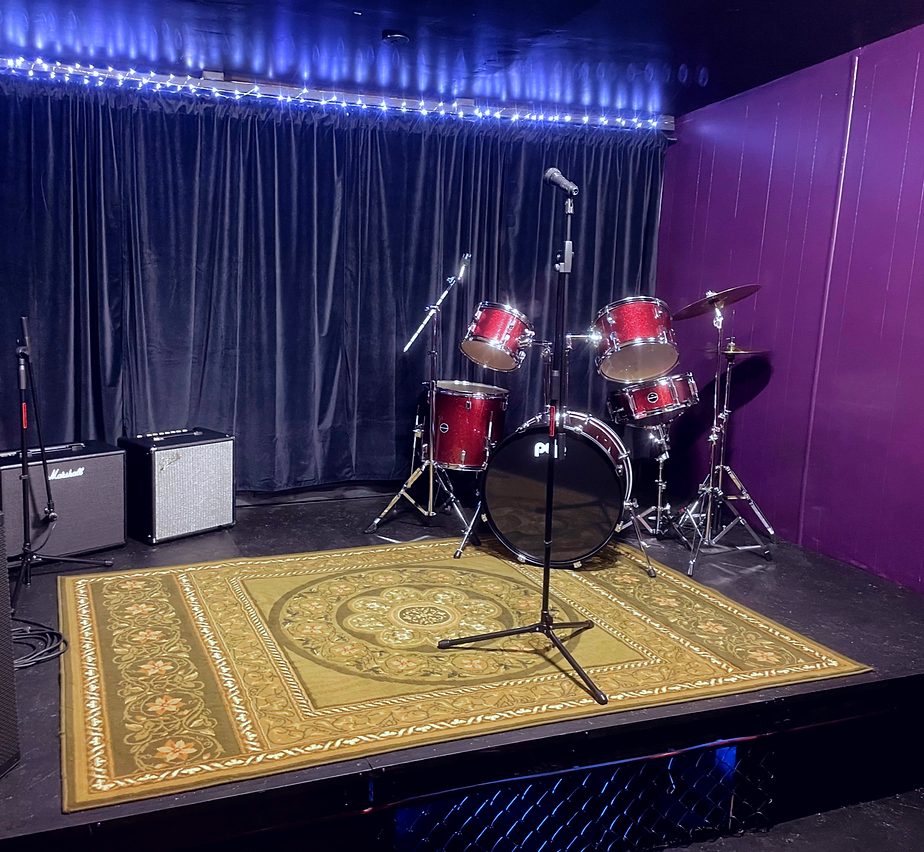
Cage Riot
24/7 self-service studios with climate control and professional equipment.
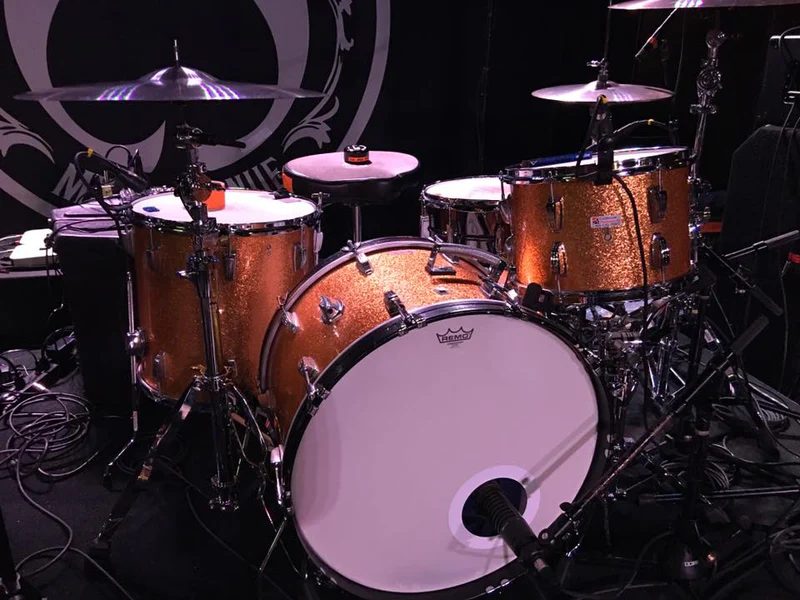
California Percussion Rental
Specialized percussion practice rooms with high-quality instruments available.
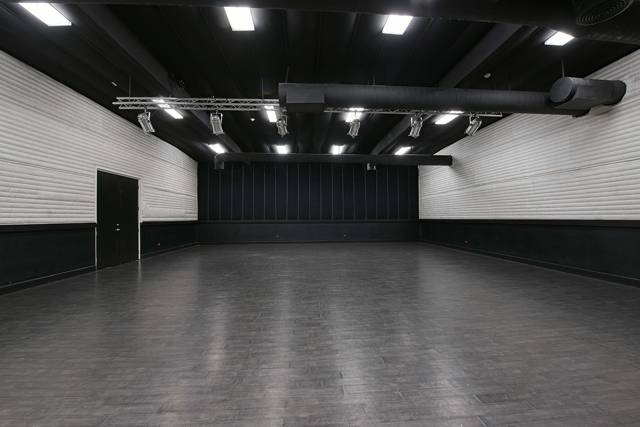
CenterStaging Rehearsal Studios
Large rehearsal studios and backline rental in Burbank.
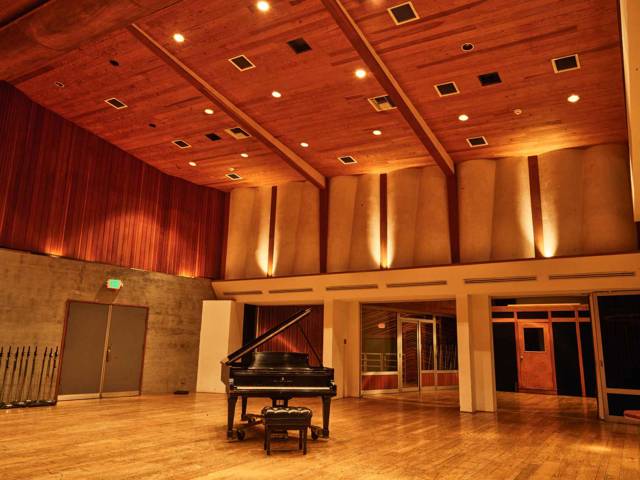
Chaplin Recording Studios
Recording studios in Hollywood: Studio A, B, D, M and Fish Lounge.
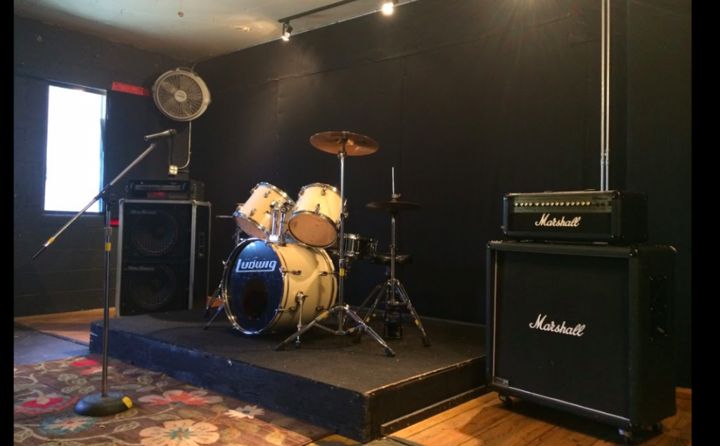
Cideshow Rehearsal Studios
Hourly and monthly rehearsal rooms with 24-hour access for monthly renters, between downtown LA and Long Beach in Gardena. Backline and...
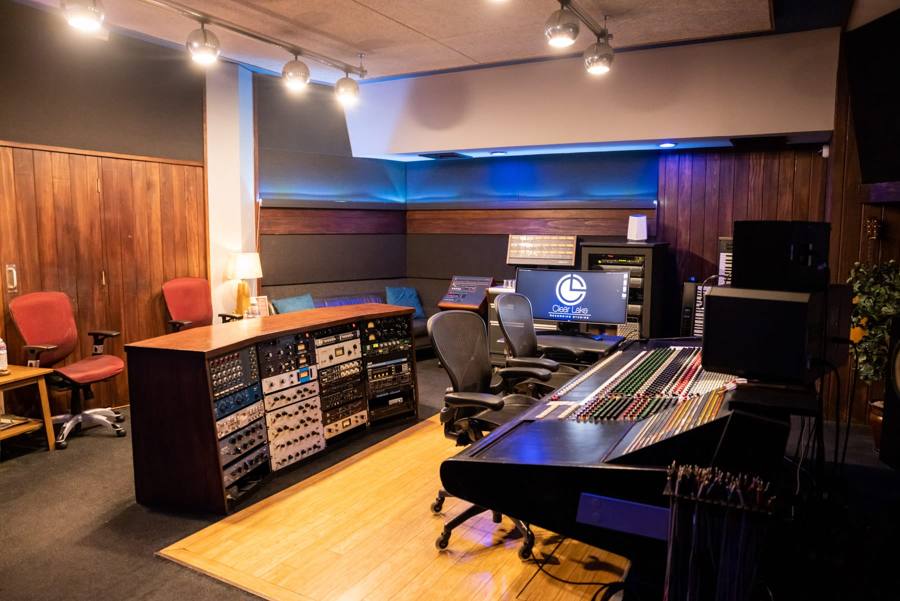
Clear Lake Recording Studios
North Hollywood recording studio since 1987 with two tracking rooms: Studio A (Trident Series 80b) and Studio B (Dolby Atmos suite). Mixing...
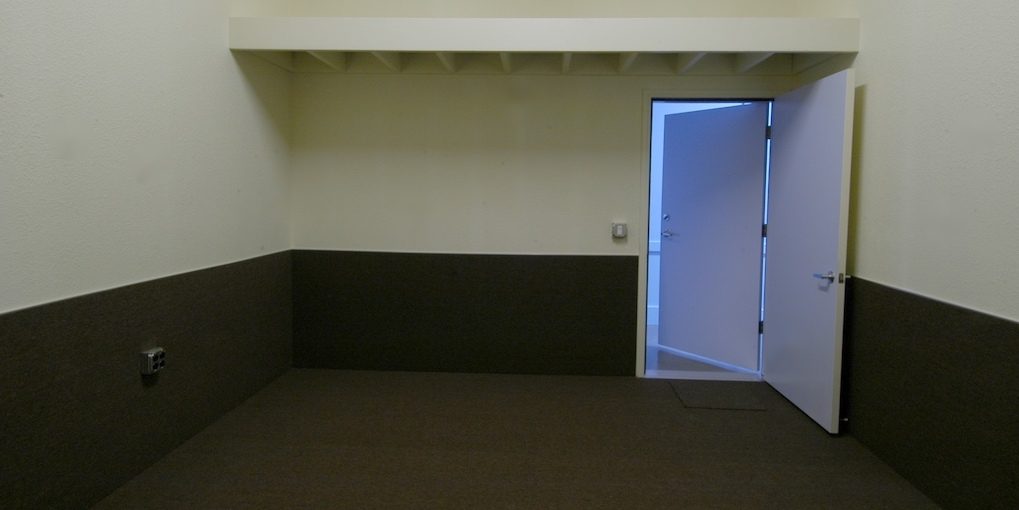
Creative Music Rooms
24-hour access, soundproofed rooms, convenient load-in, ample parking.
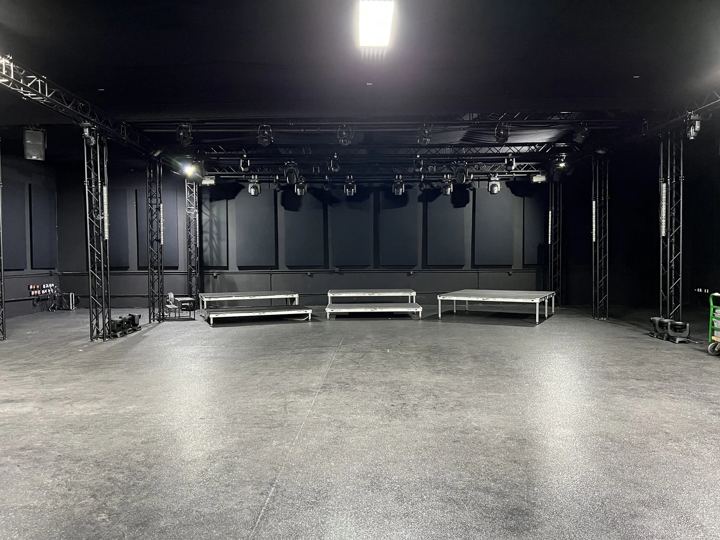
Design Sound Studio
Rehearsal space and production studio in Gardena with instrument rentals, open 6am to midnight daily.
Earl Johnson Piano
Cozy studio with available piano and backdrops for bookings.
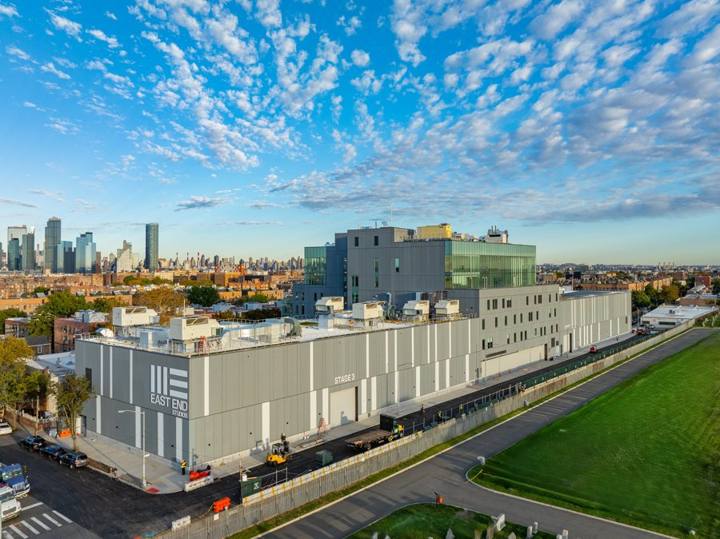
East End Studios
Rehearsal studio in Glendale.
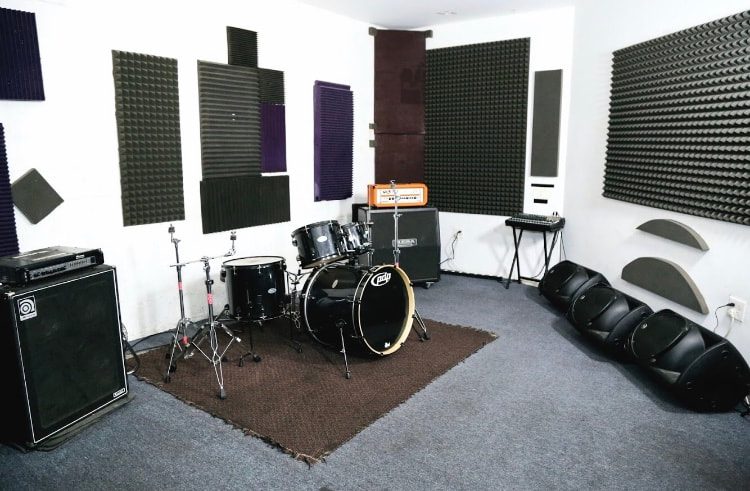
Eastside Rehearsal
Affordable rehearsal studios owned by musicians, equipped for bands.
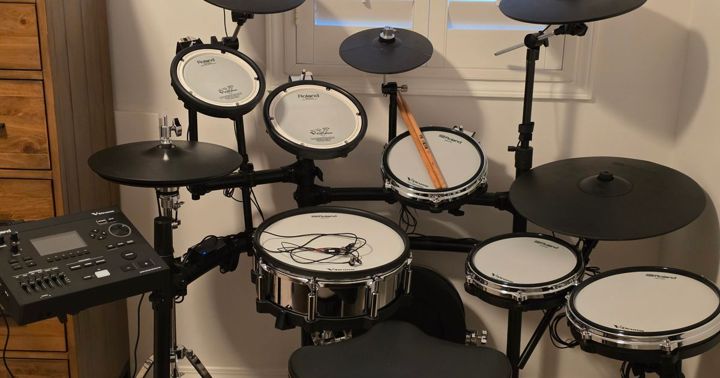
Elevated Audio Rehearsal Studios
Hourly rehearsal rooms and room lockouts for touring and recording pre-production.
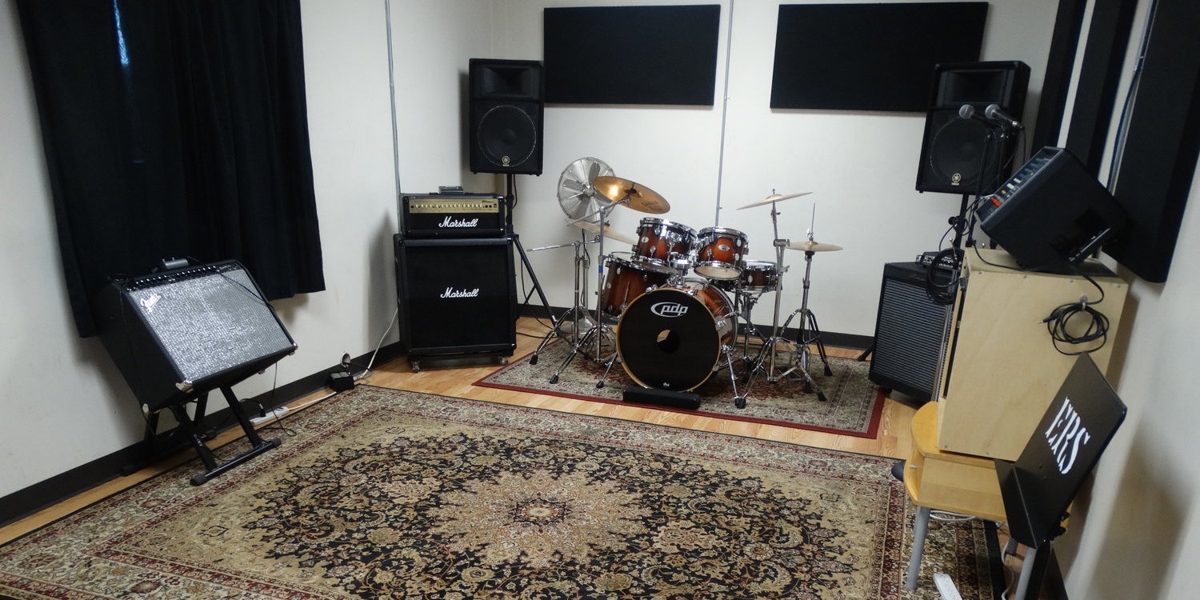
Exposition Studios
Affordable rehearsal rooms with flexible schedules and supportive community.
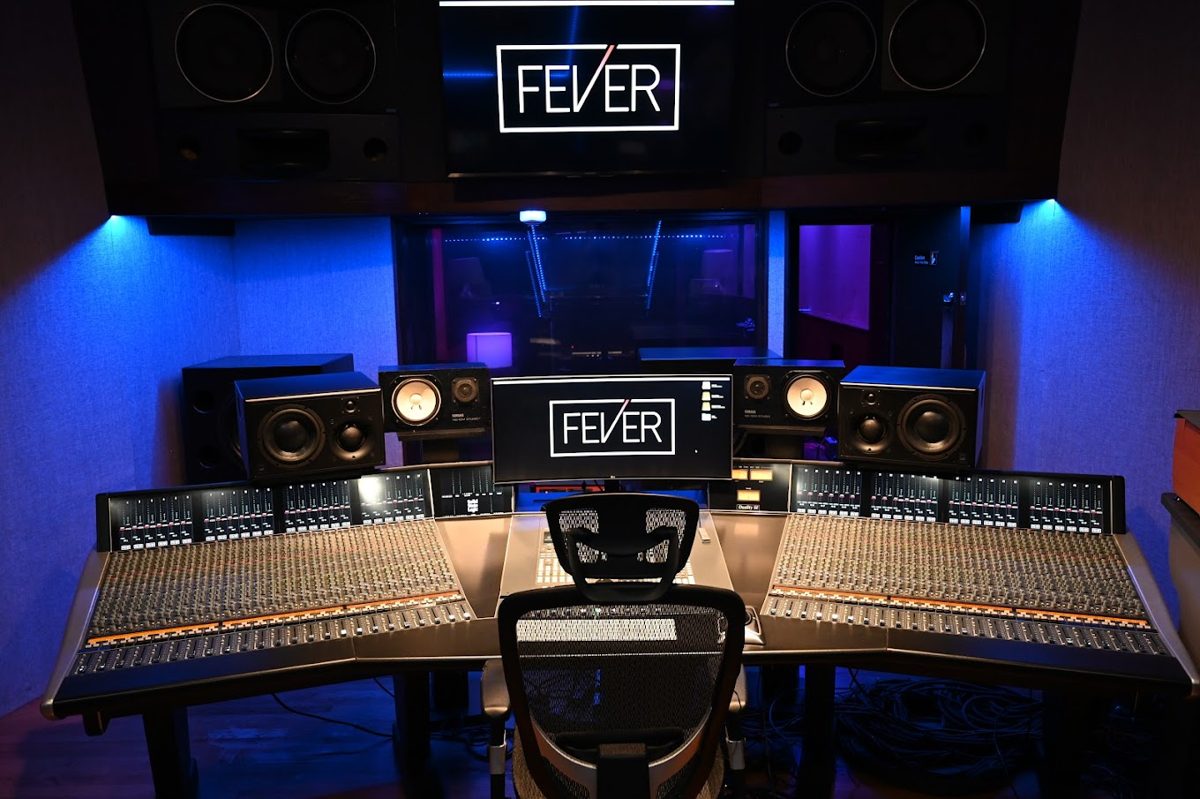
Fever Recording
Luxurious atmosphere, private lounges, high-end equipment, and VIP treatment.
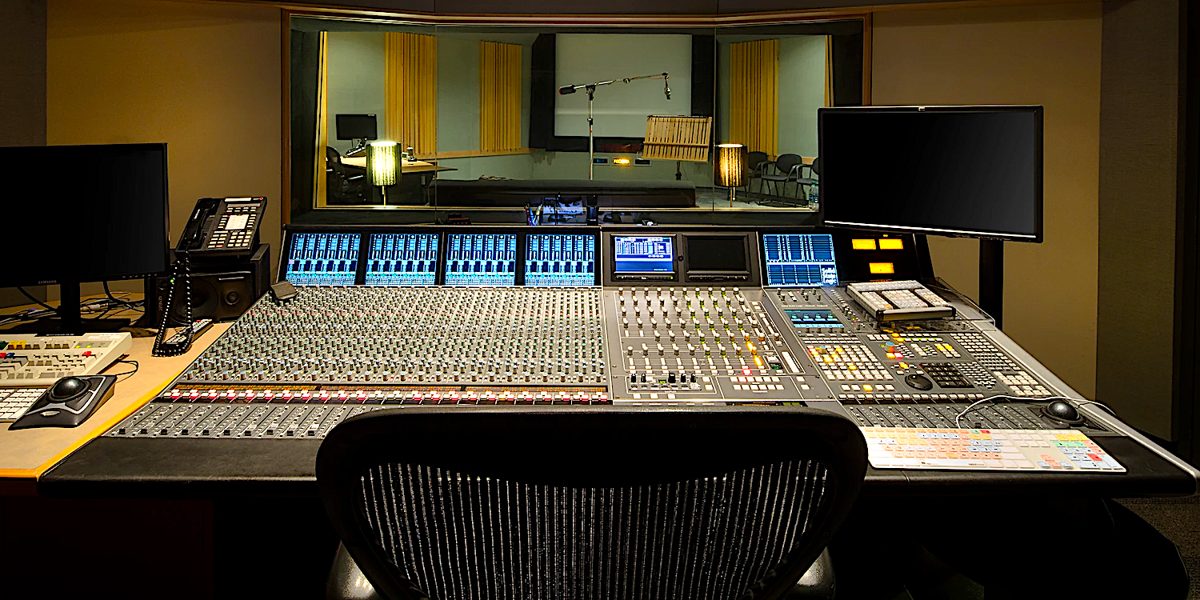
Fox Lot
Two ADR stages equipped with advanced recording technology and functionality.
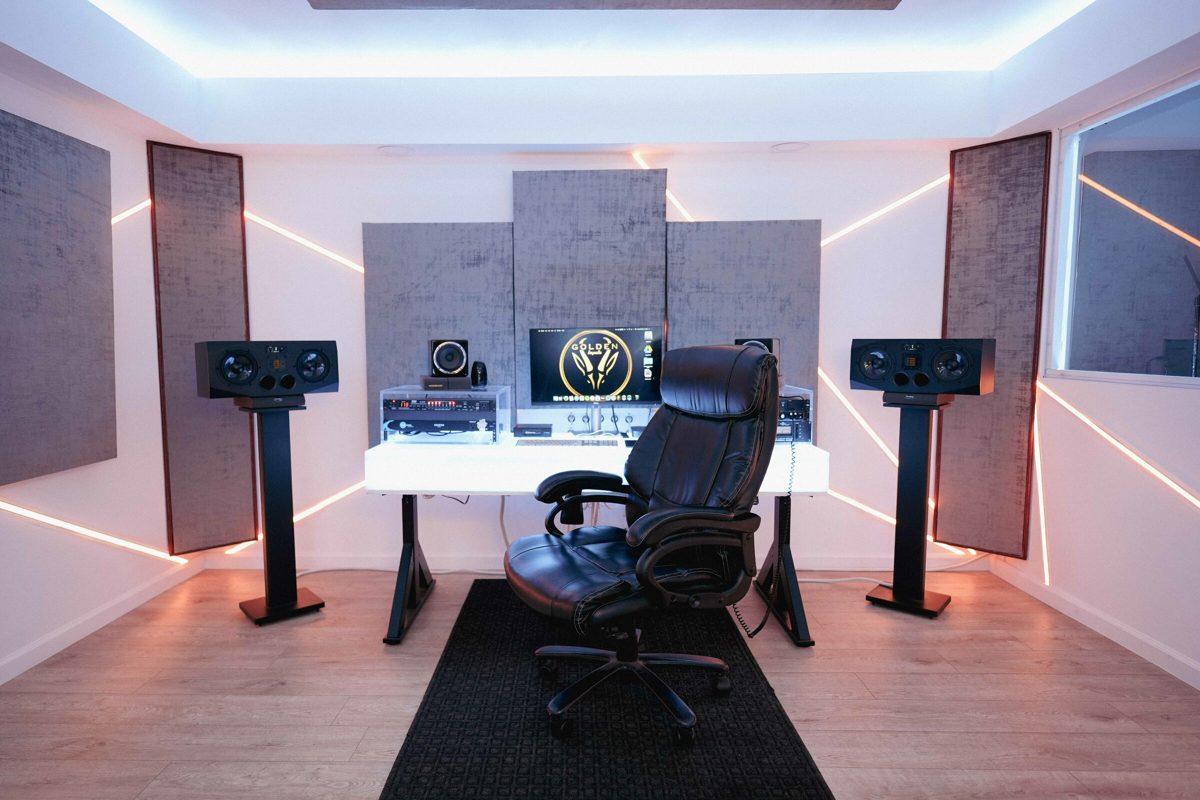
Golden Impala
High-quality microphones, Apollo 8 interface, and professional videography services.
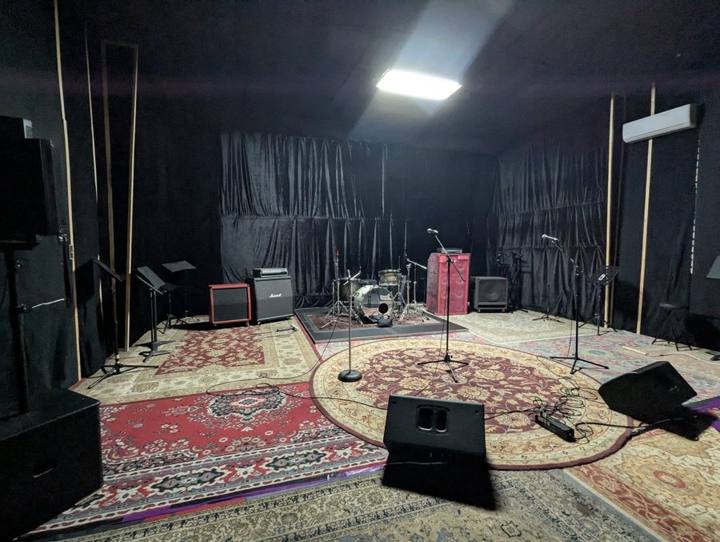
Grooveworks Studios
Hourly rehearsal rooms in Long Beach, from a solo room to rooms for 8 or more people.
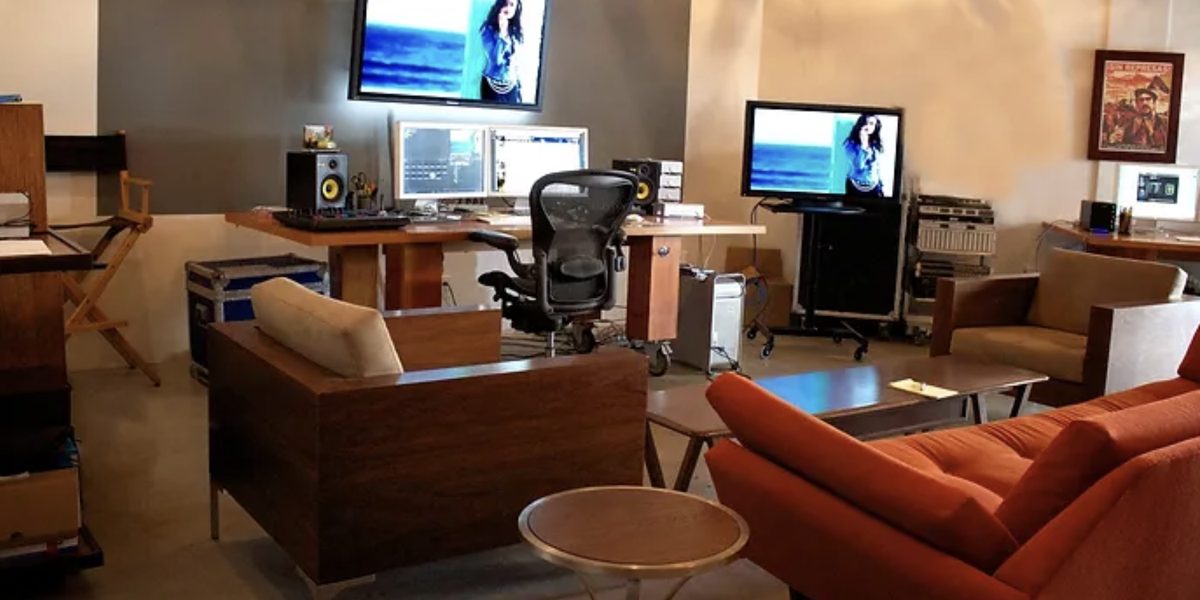
Gypsy Sound
Collaborative audio projects featuring advanced mixing and immersive formats.
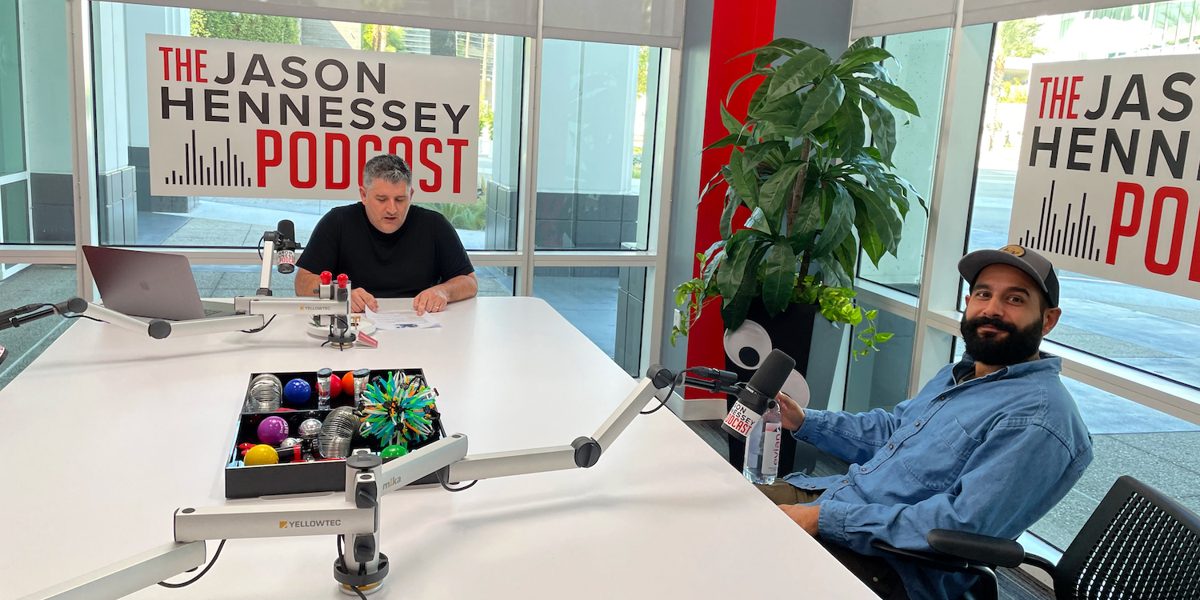
Hennessy Studios
Professional podcast studio available for hourly bookings at $125.
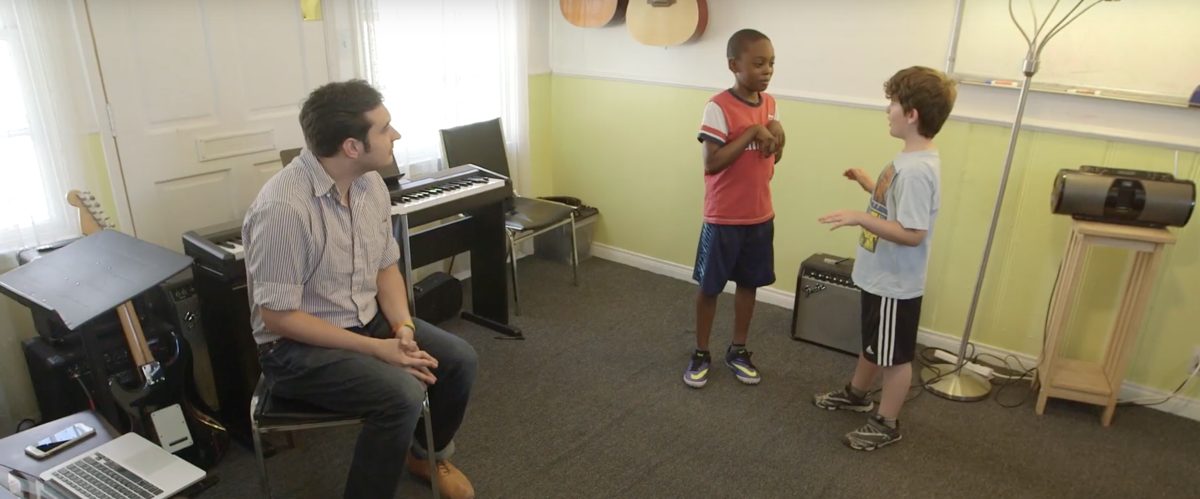
Hollywood Academy of Music and Arts
Hourly rentals for various practice rooms with essential equipment.
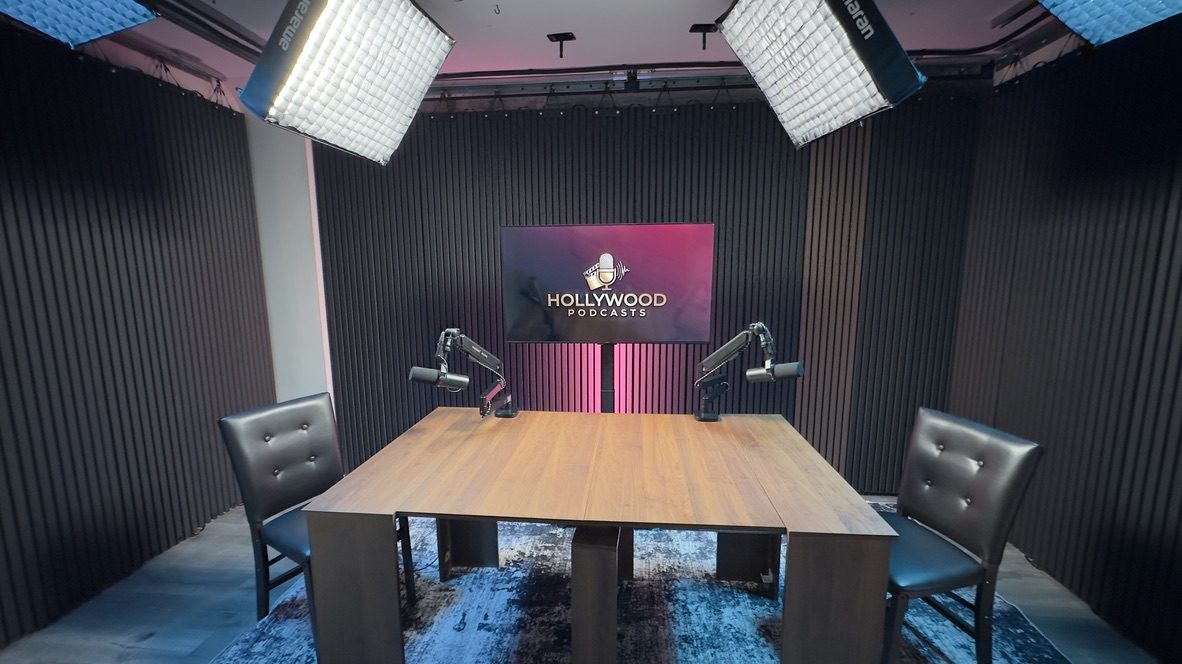
Hollywood Podcasts
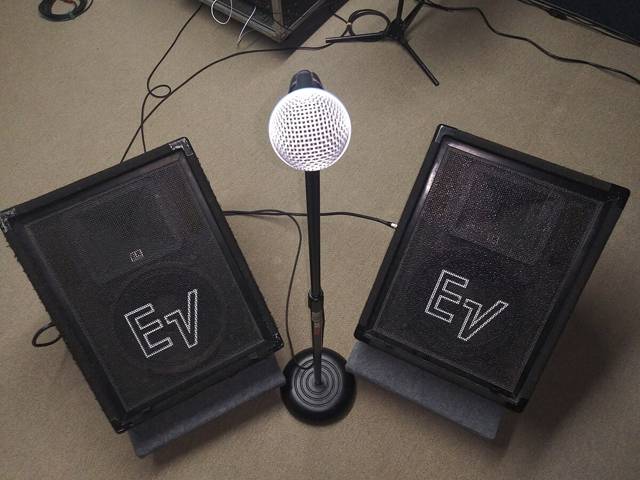
Hollywood Rehearsals
Practice rooms, band rehearsal rooms and a recording studio on Hollywood Blvd, rented by the hour.
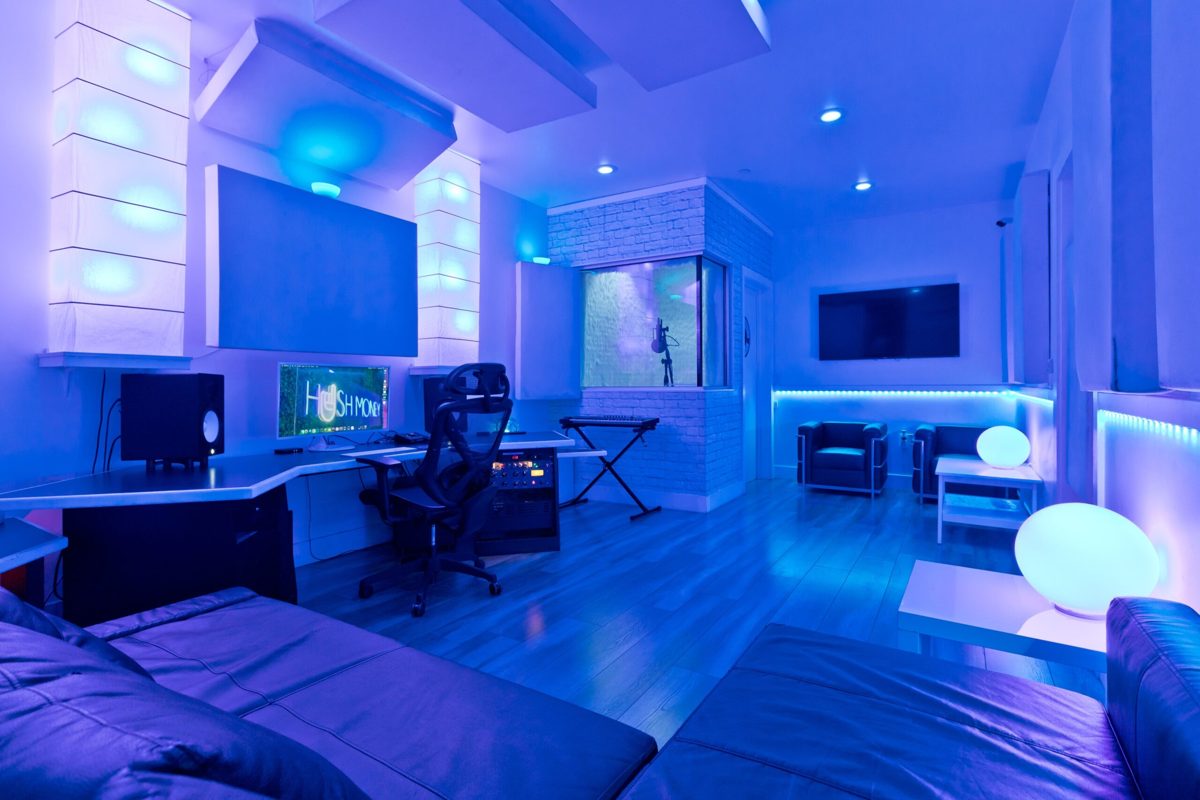
Hush Money Music
Stylish environment, skilled team, professional recording equipment, supportive community.
Iman's Music Studio
Studio rentals in Playhouse Village, Pasadena.
International City Studios
Rehearsal studios and 24-hour lockout units serving Long Beach, Los Angeles and Orange County since 2008. 16,000 sq ft of soundproofed...
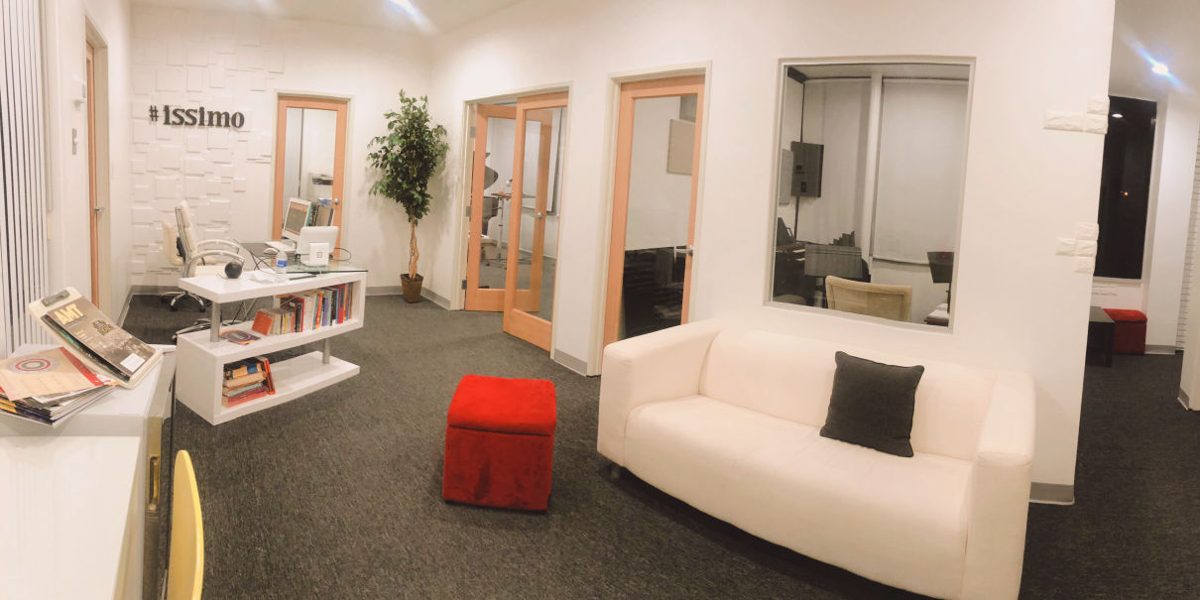
Issimo Music Hall
Intimate rehearsal spaces equipped with pianos for musicians' needs.
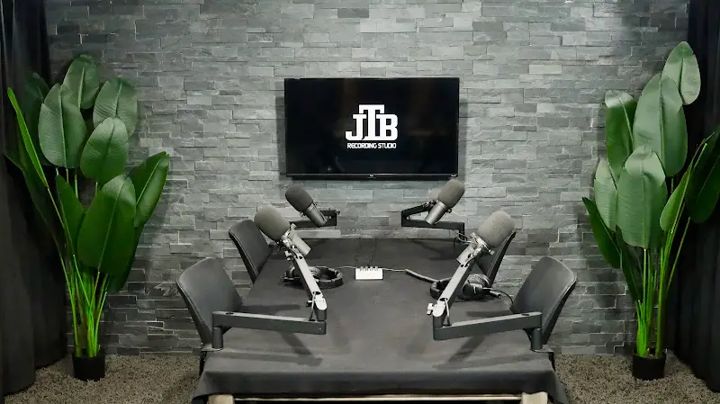
JTB Recording
Podcast studio available for hourly bookings at competitive rates.

Just For The Record
Recording studios in Sun Valley with a studio lock-outs service.
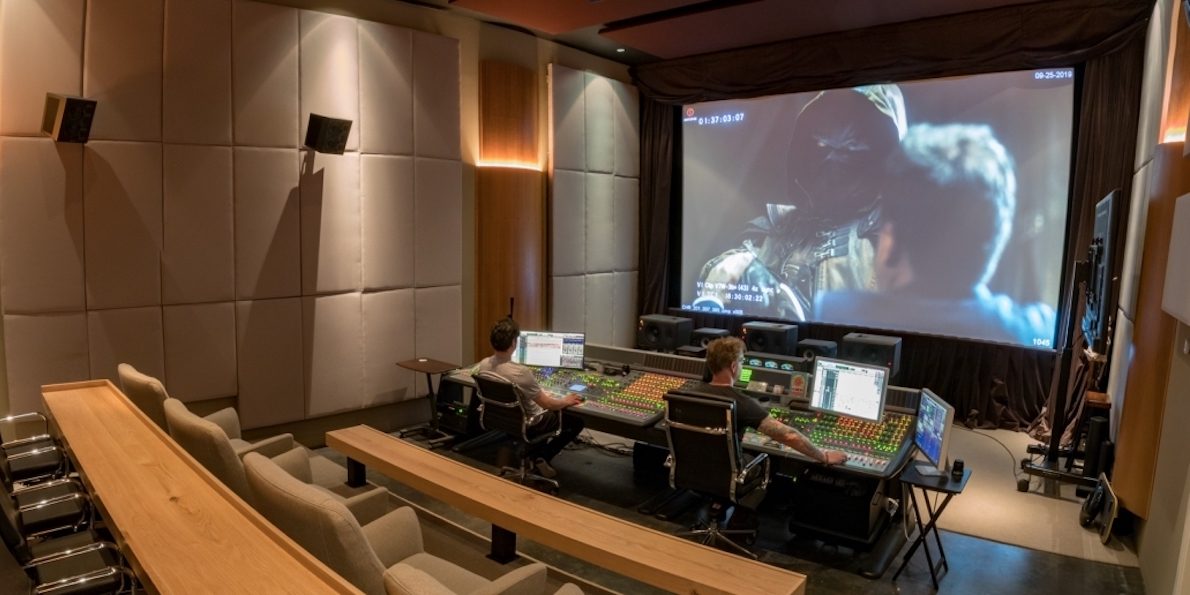
King Soundworks
Top-tier ADR studio equipped with Source Connect for remote recordings.
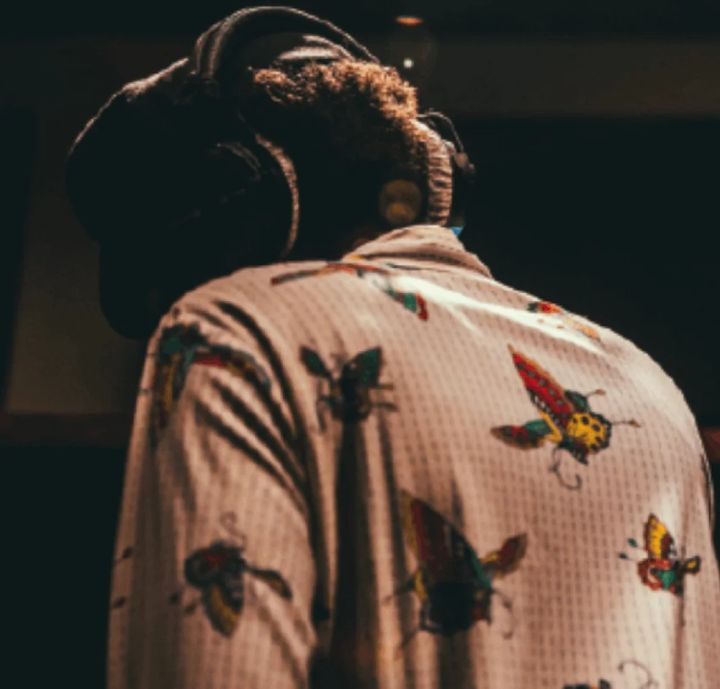
KR Studios
Hourly rehearsal rooms with gear included, rooms 1-4 listed from $20-30/hr depending on room and time.
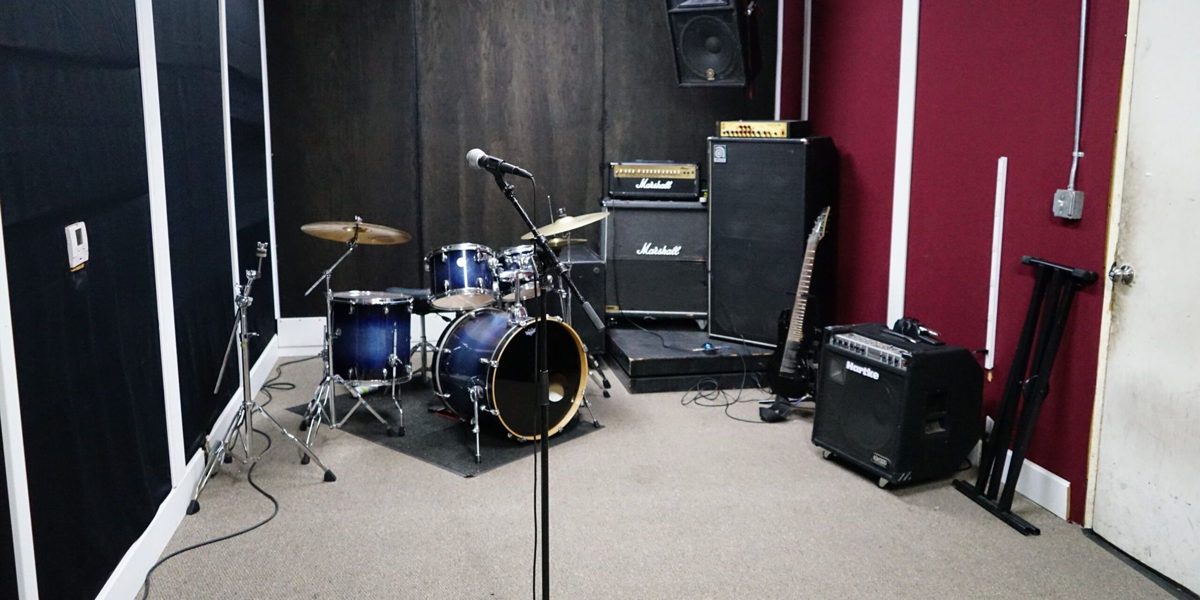
LA Rehearsal and Recording
Affordable rehearsal studio with essential equipment and supportive staff.
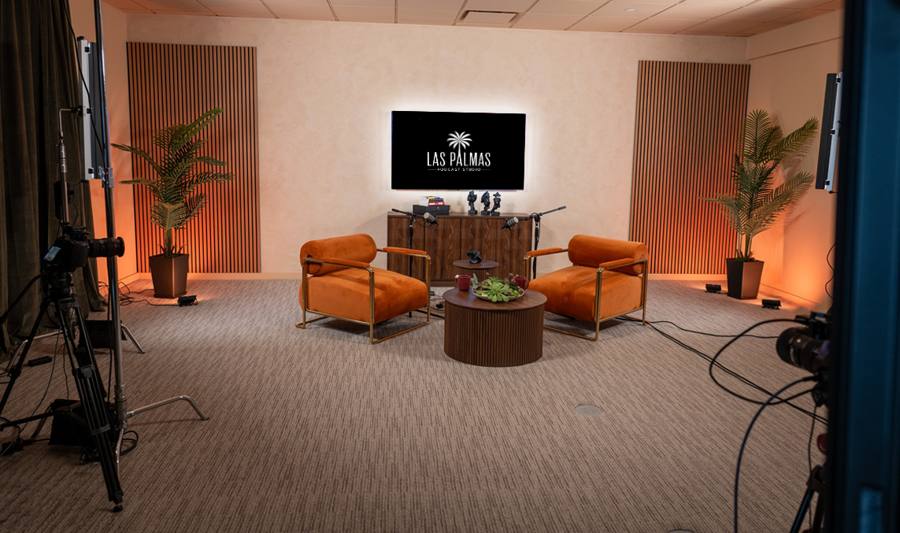
Las Palmas Podcast Studio
Private video podcast studio in Hollywood with four cameras and pro audio, booked by the hour.
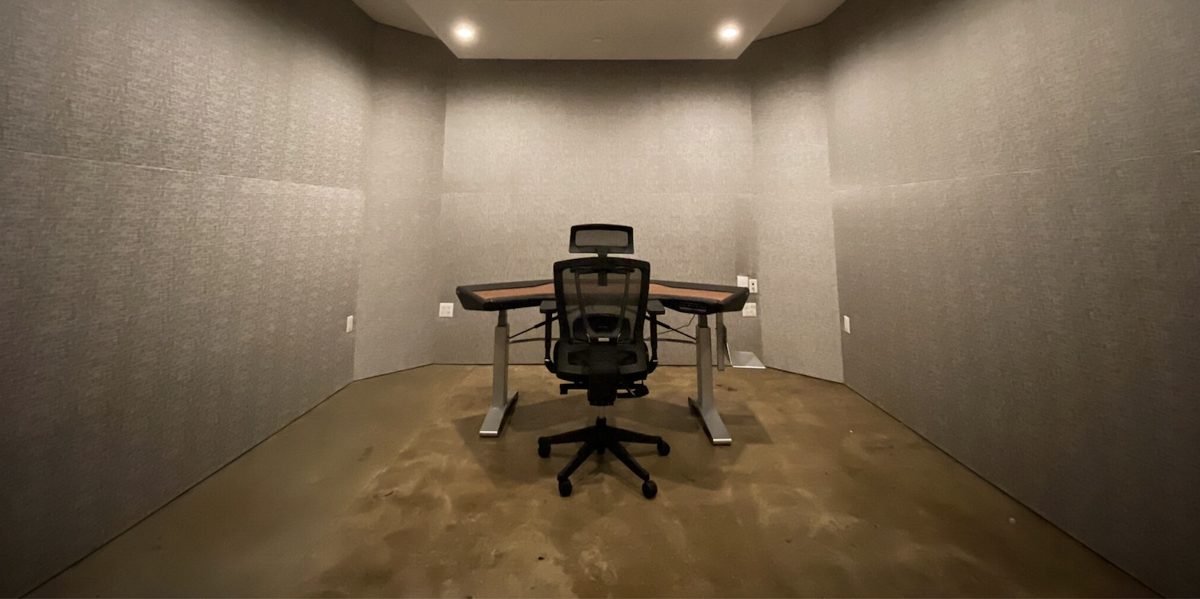
LemonTree Studios
Historic studio blending innovation with a Grammy-winning community atmosphere.
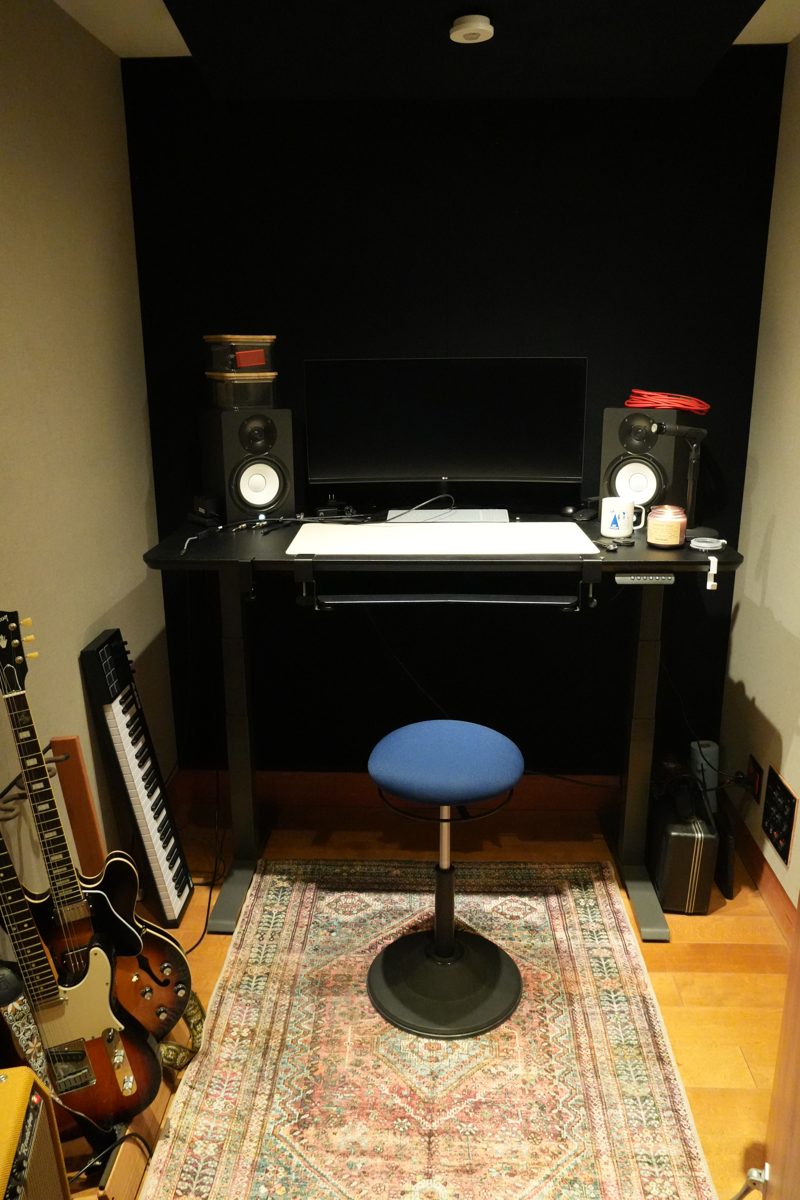
lmnl studios
Formerly The Pico Room. Daily rental studio with recording/production equipment and soundproofing in Santa Monica.
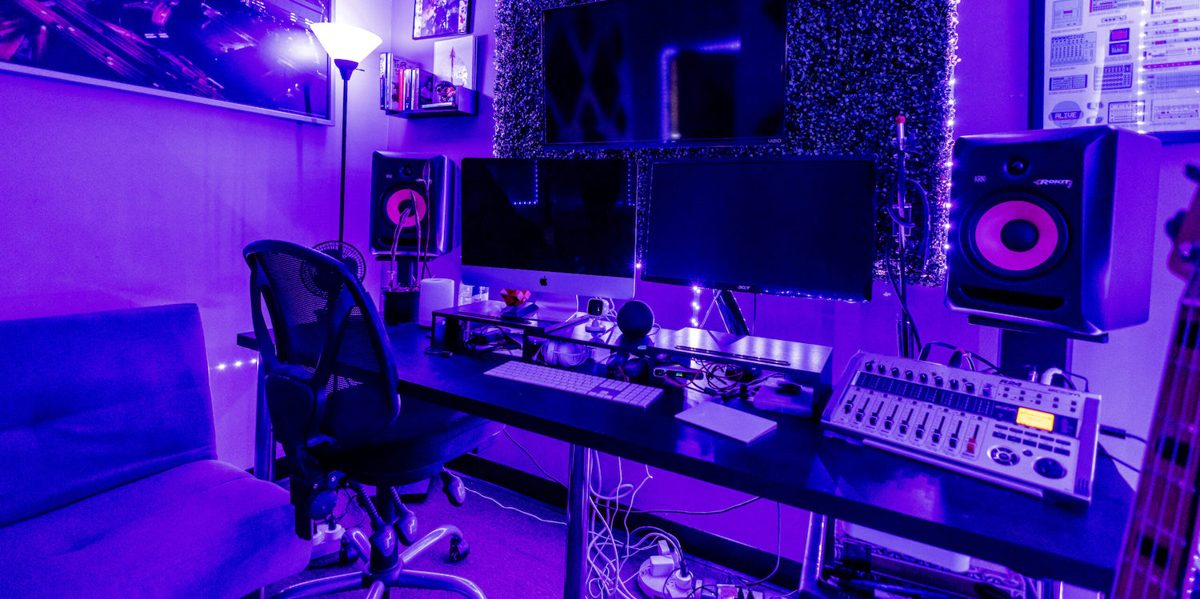
Lockout Music Studios
Sound-padded rooms available 24/7 for recording and beat-making.
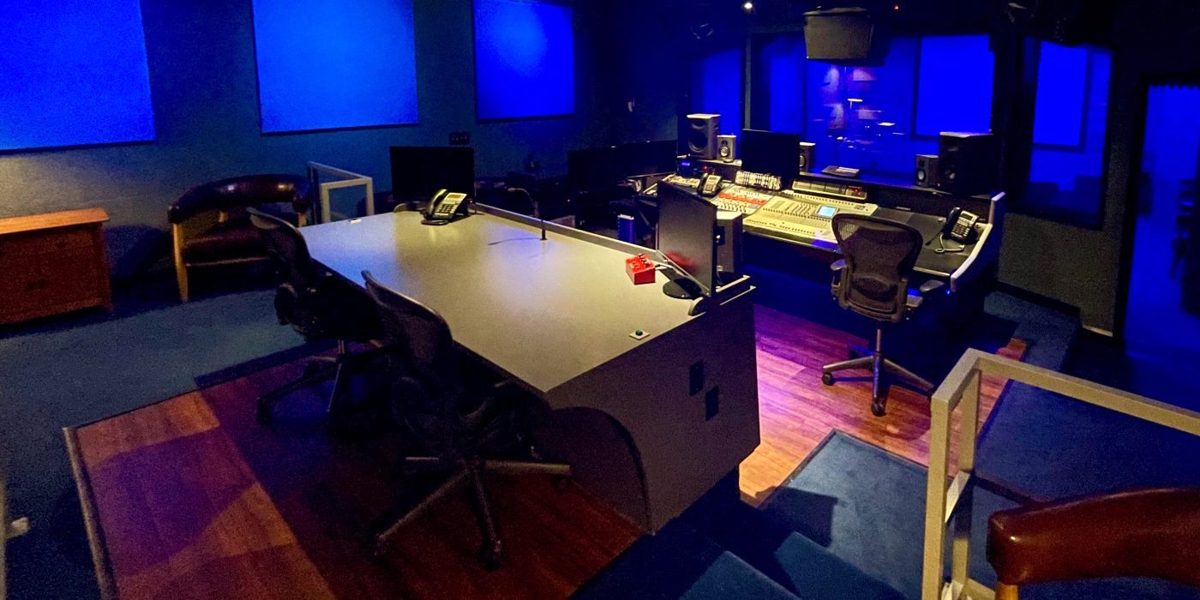
Marc Graue
Oldest voice over studio, known for quality and advanced technology.
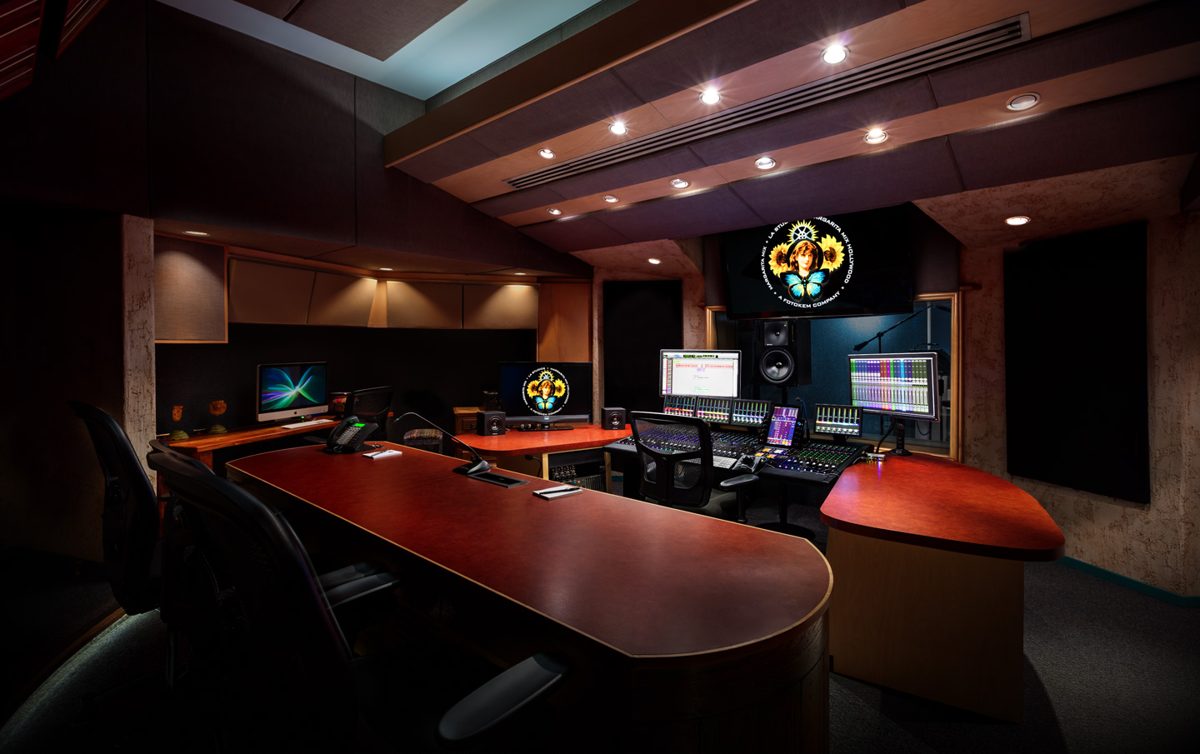
Margarita Mix
Innovative studio blending classic aesthetics with advanced audio technology.
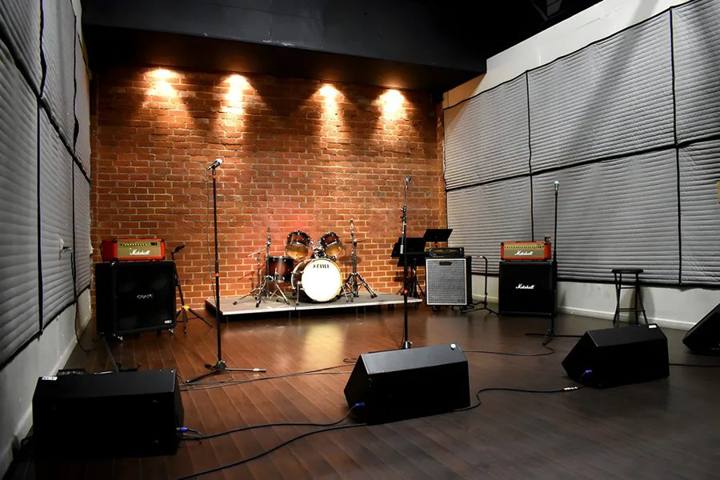
MDM Music Studios
Rehearsal studio with monthly lockouts and hourly rooms, listed in Los Angeles and Glendale.
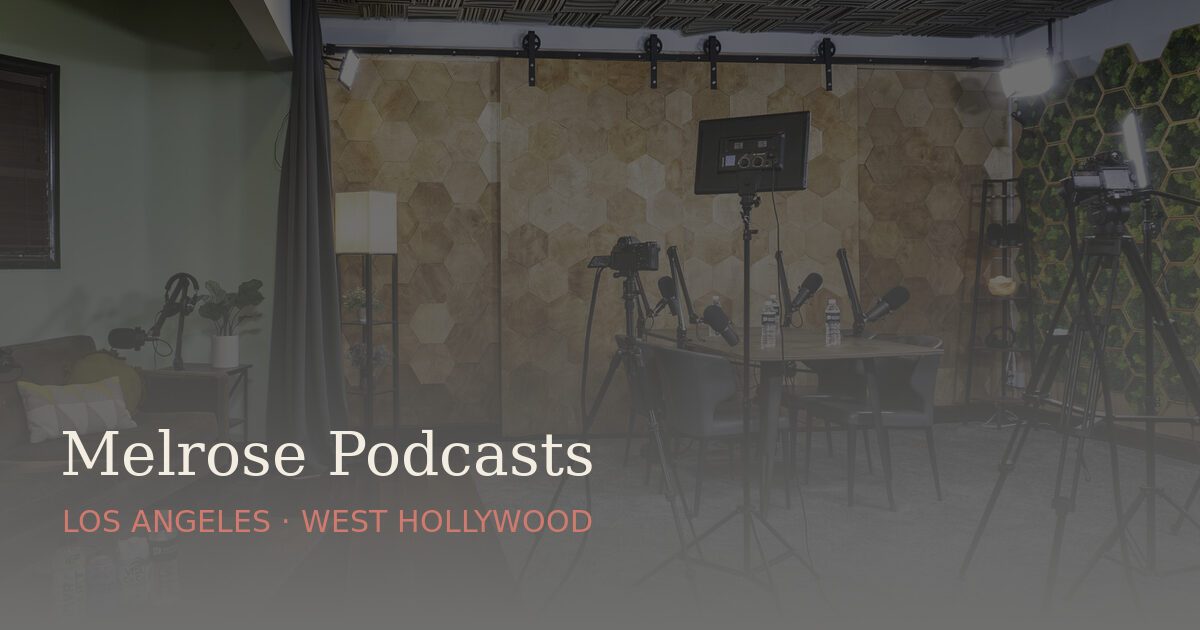
Melrose Podcasts
Hourly podcast studio with quality equipment and professional amenities.
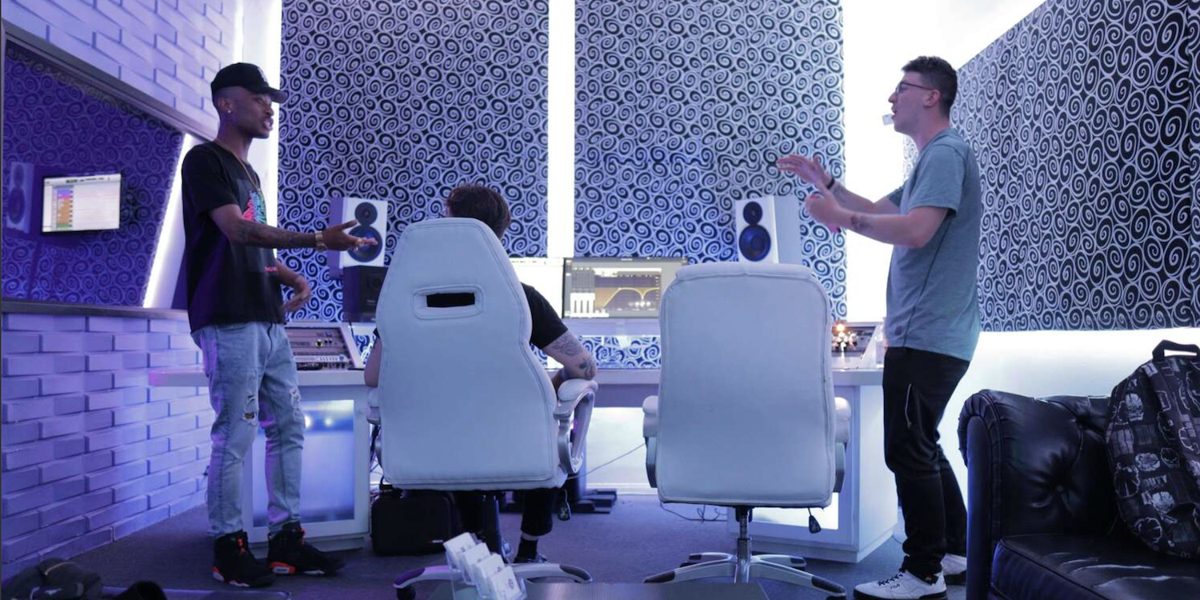
MIX
High-quality recording space specializing in pop, hip-hop, and RnB.
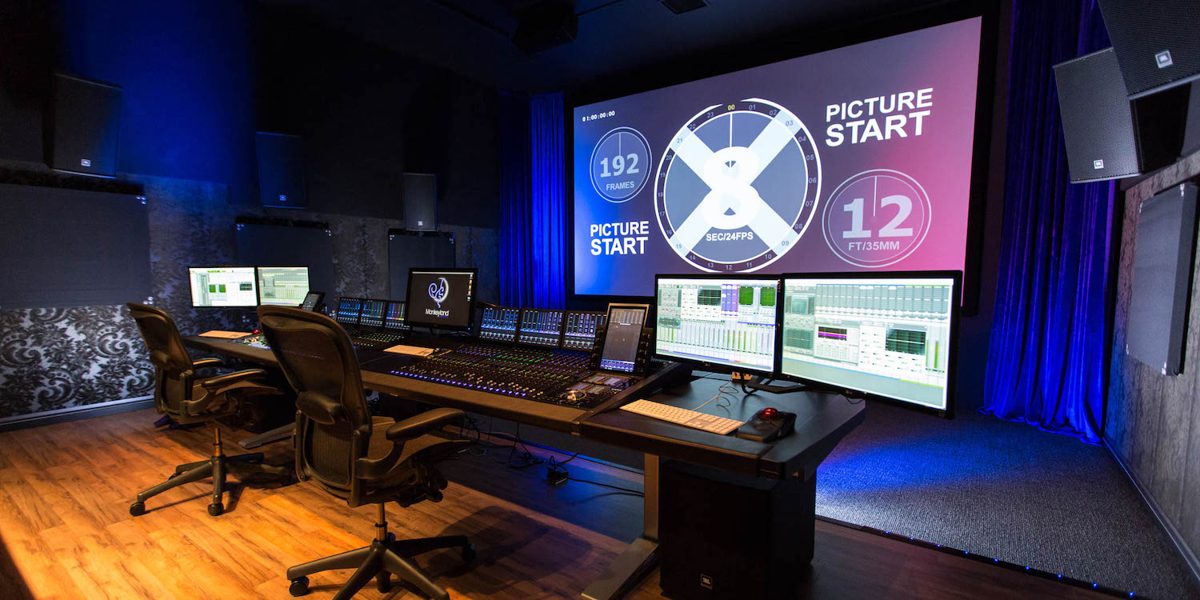
Monkeyland Audio
Specialized for ADR and voiceover with professional equipment.
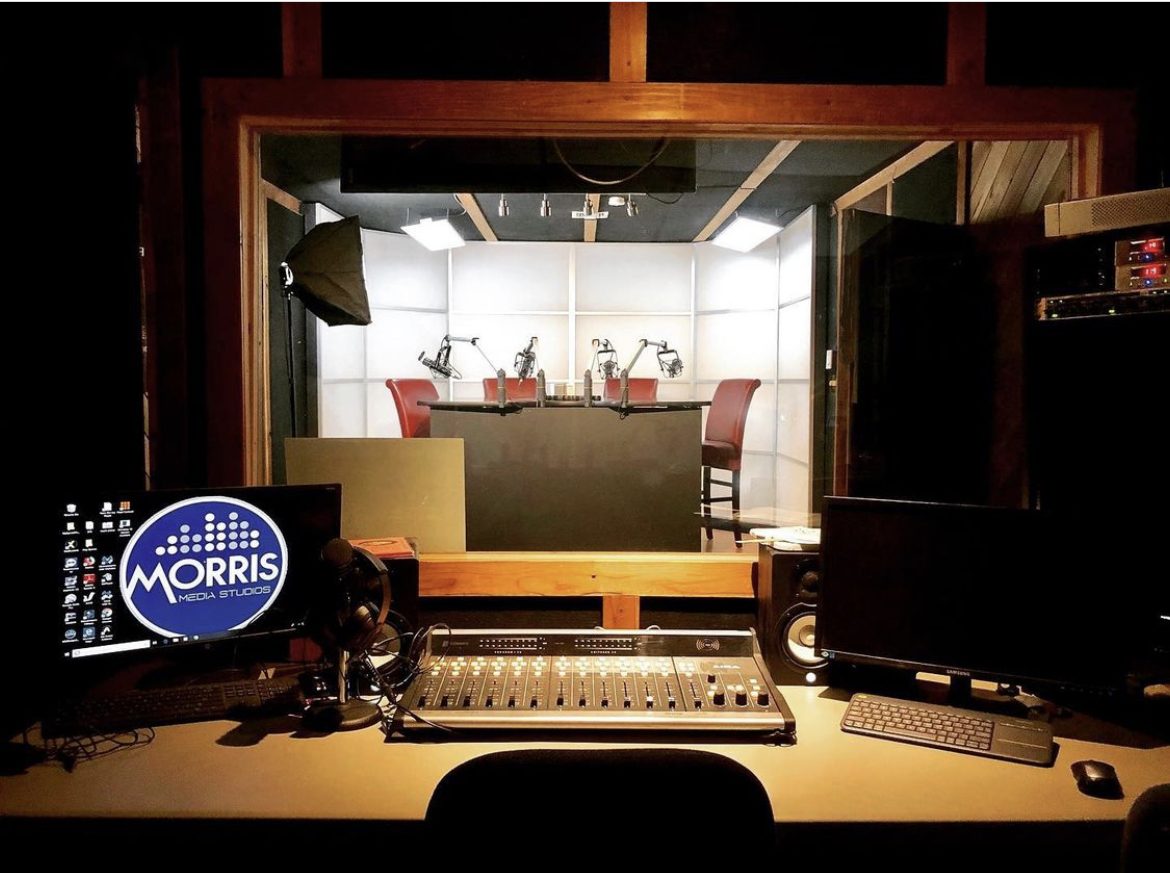
Morris Media Studios
Black-female-owned studio specializing in podcast and voice-over recording.
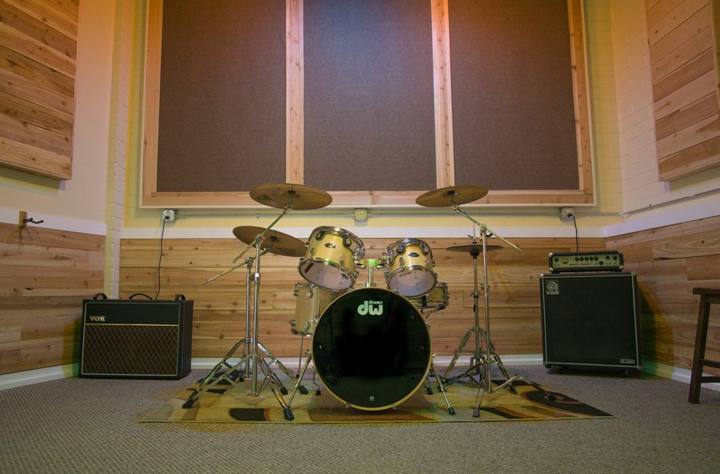
Music Space Studios
Rehearsal and recording studios in Van Nuys.
Musician's Choice Studios
Monthly lockouts with 24/7 access in Culver City, West LA, Inglewood, Lawndale, Carson, Hollywood, North Hollywood, Reseda and Van Nuys...
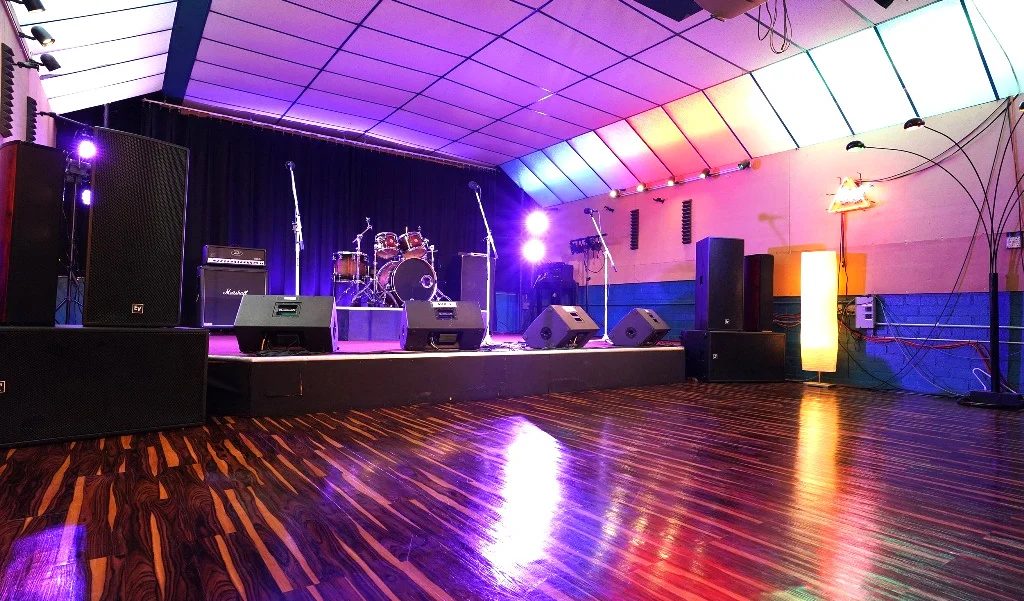
Nightingale Studios
Eight studios with quality sound systems and flexible booking options.
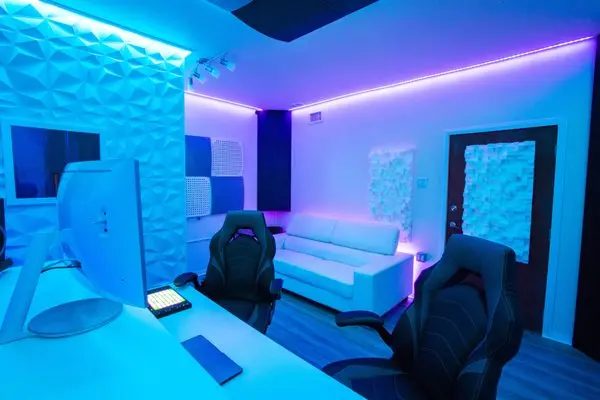
Opus
Equipped with professional software, ideal for vocal recording sessions.
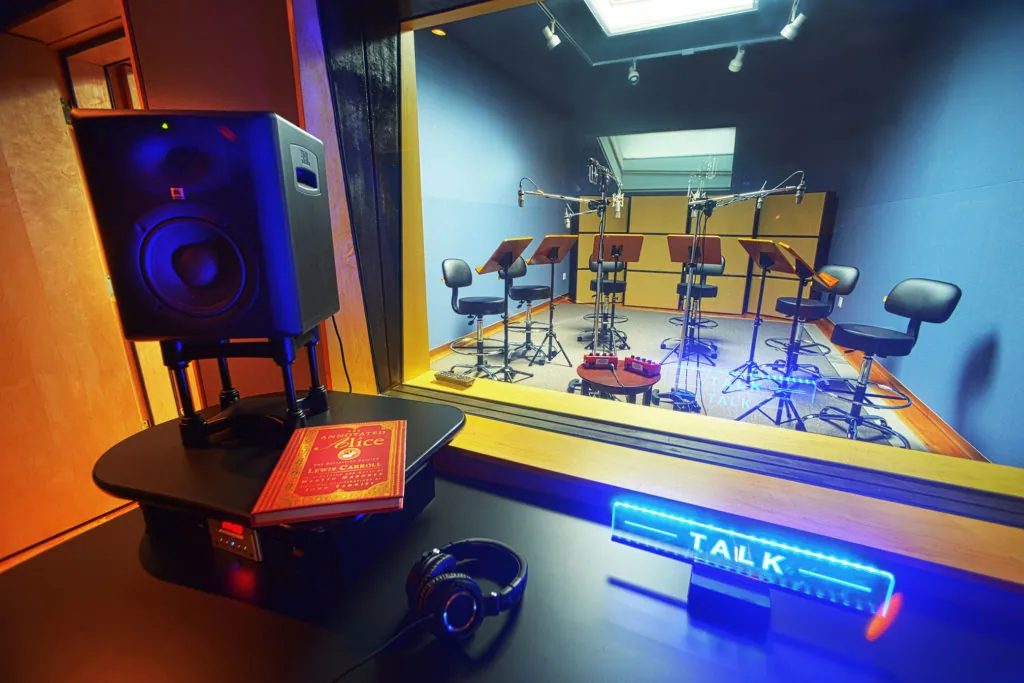
Outloud
Renowned for high-quality ADR and animation dialogue projects.
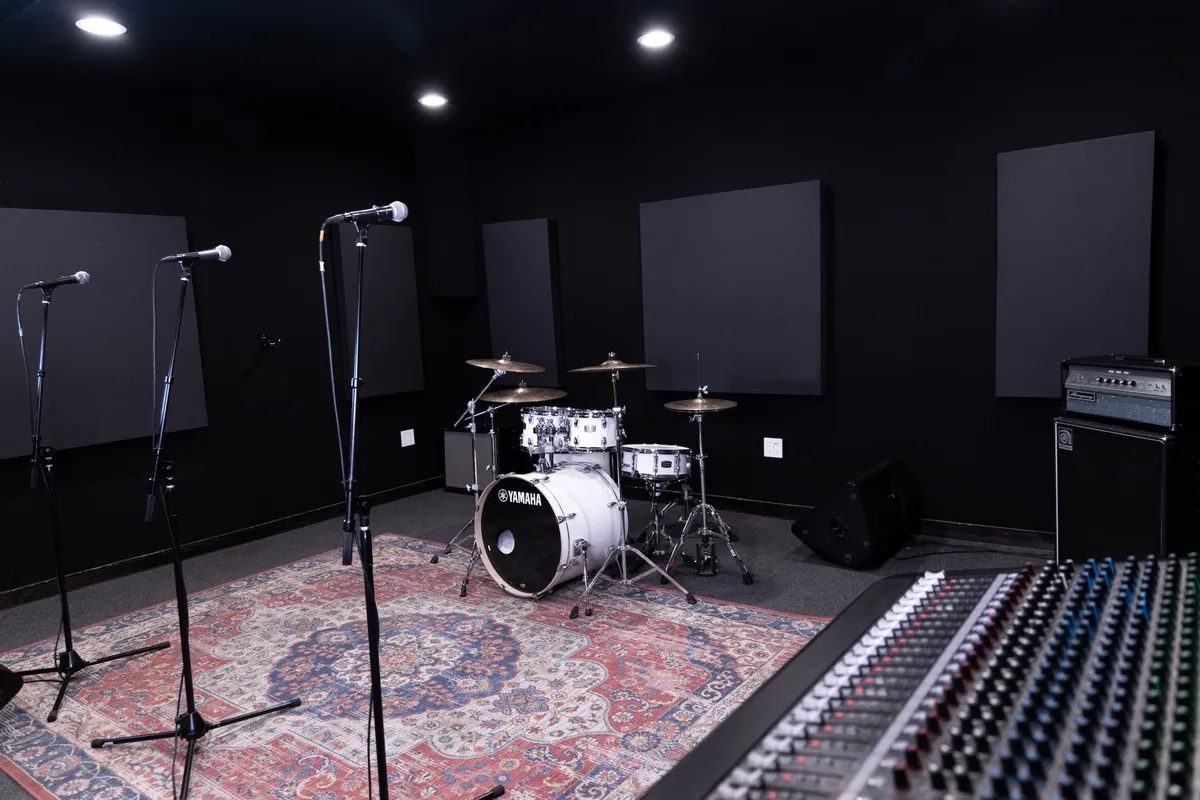
PA Rehearsal
Equipped rooms, soundproofing, affordable rates, ideal for bands.
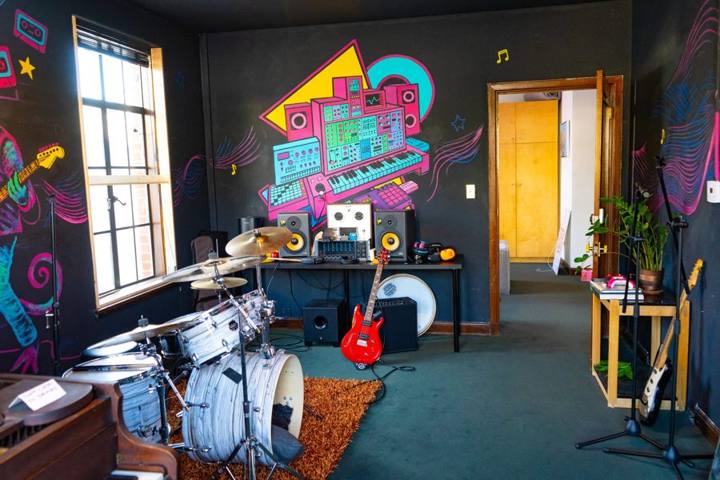
Paradise Recording
Hourly band rehearsal in downtown Santa Monica with a full backline included: Mapex drums, Fender Mustang LT50 amp, bass amp and a 1917...
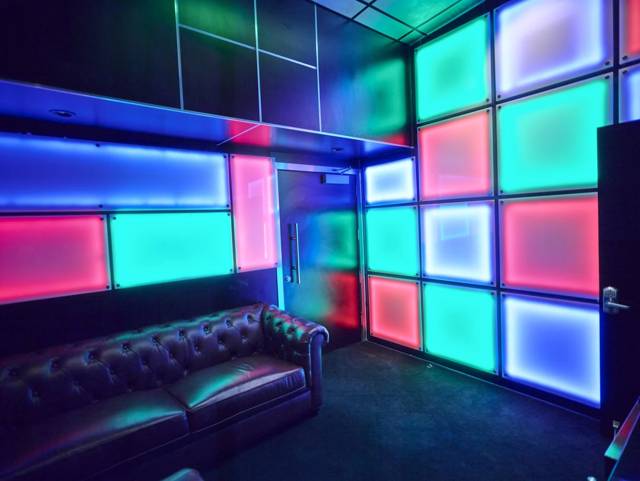
Paramount Recording Studios
Recording studios in Hollywood with several studio rooms and production rooms.
Pink Cloud Studios
Hourly podcast studio with professional equipment and dedicated booking support.
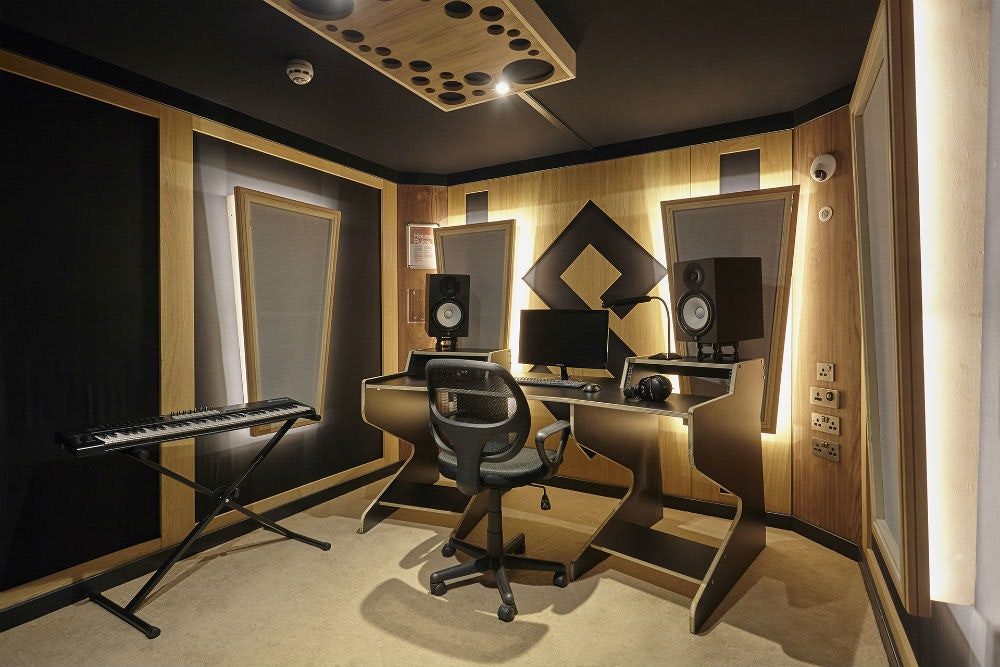
Pirate Studios
Affordable self-service studios with reliable equipment and responsive support.
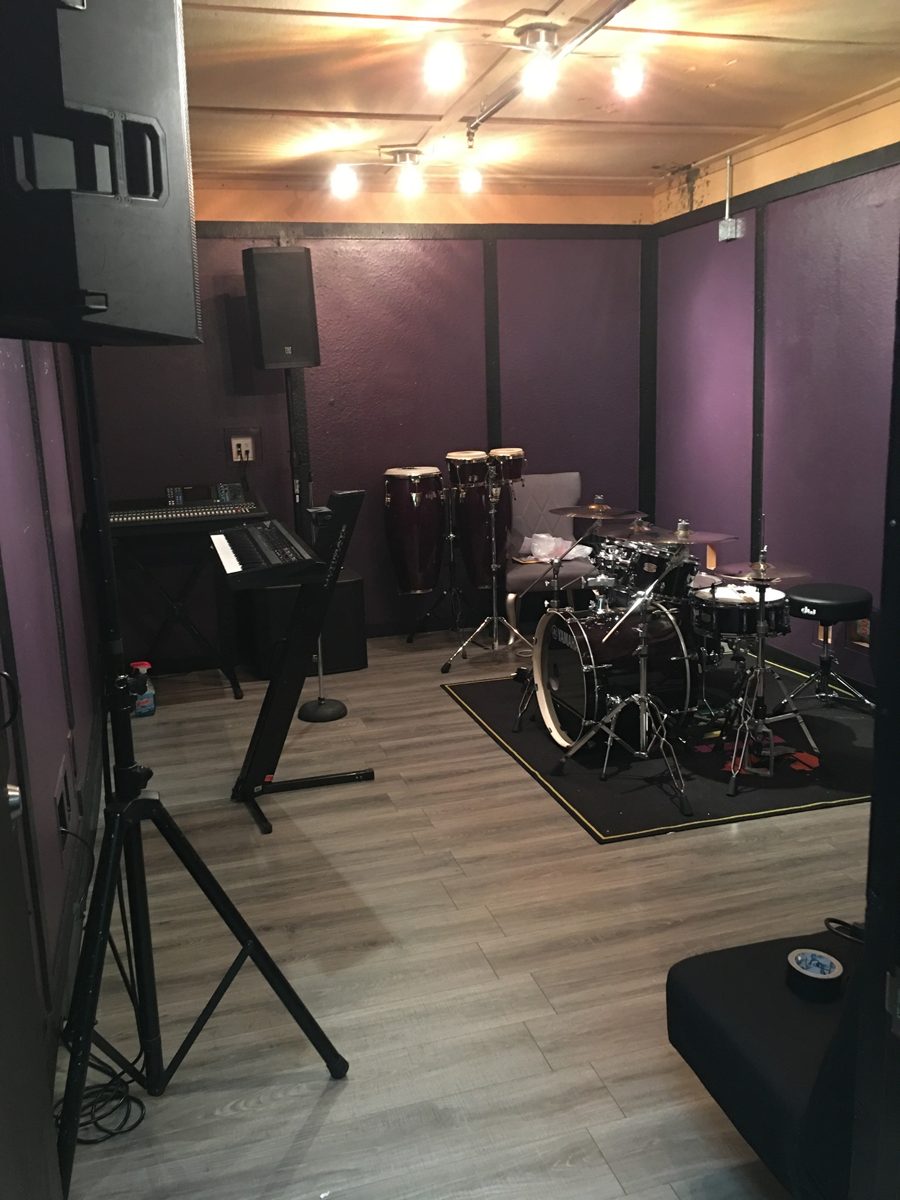
PM Rehearsal
Monthly lockouts, 24/7 access, security, and ample parking available.
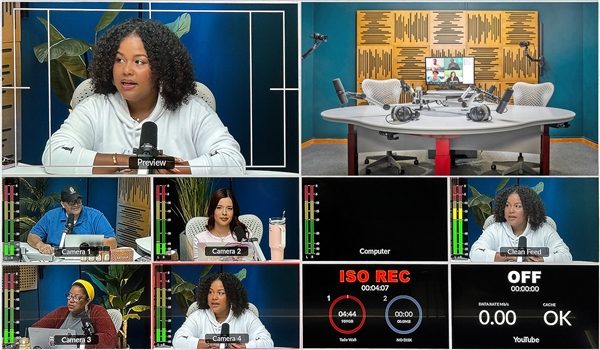
Pro Audio LA
Hourly podcast studio with professional equipment and supportive community.
Purpel Studios
Video podcast studio in Burbank. Every session includes an operator, live switching, individual files and same-day delivery. Free parking.
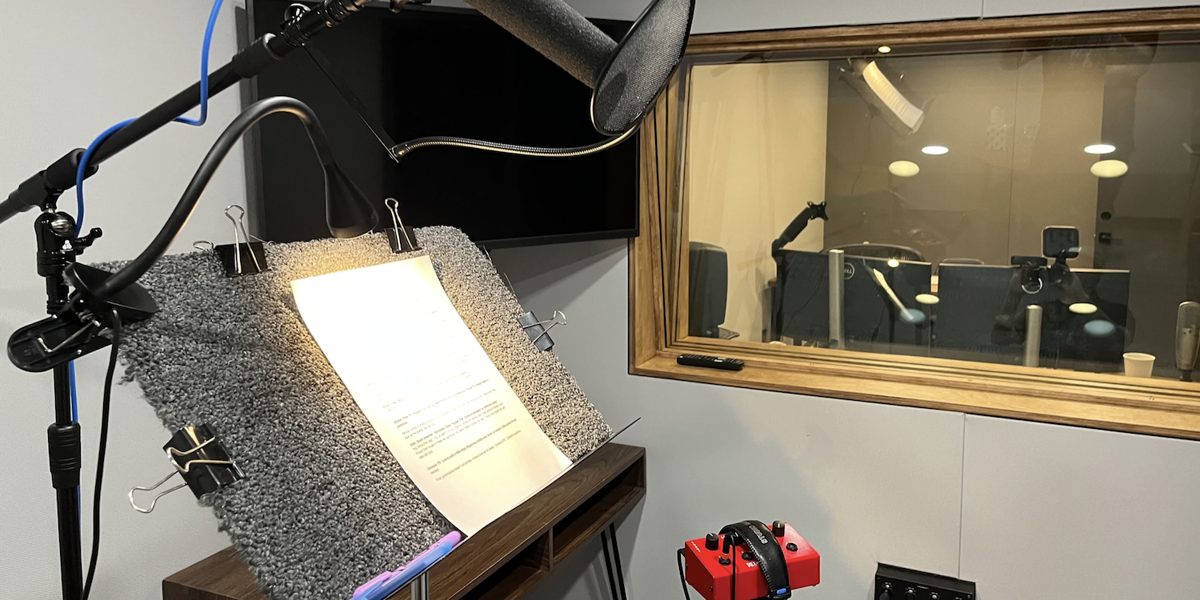
Real Voice
Professional audio engineering, advanced equipment, and voiceover education available.
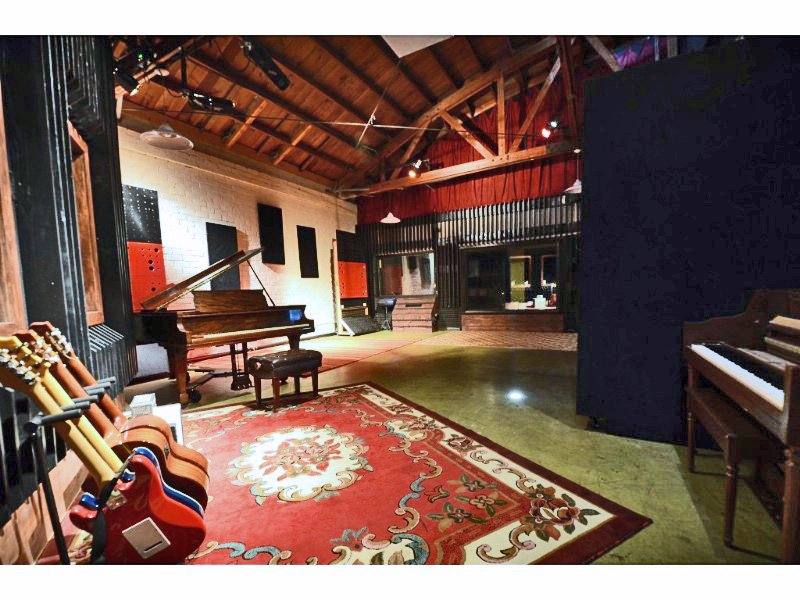
Red Gate Recorders
Independent recording studio, rehearsal space and event venue in Eagle Rock, with lockout options.
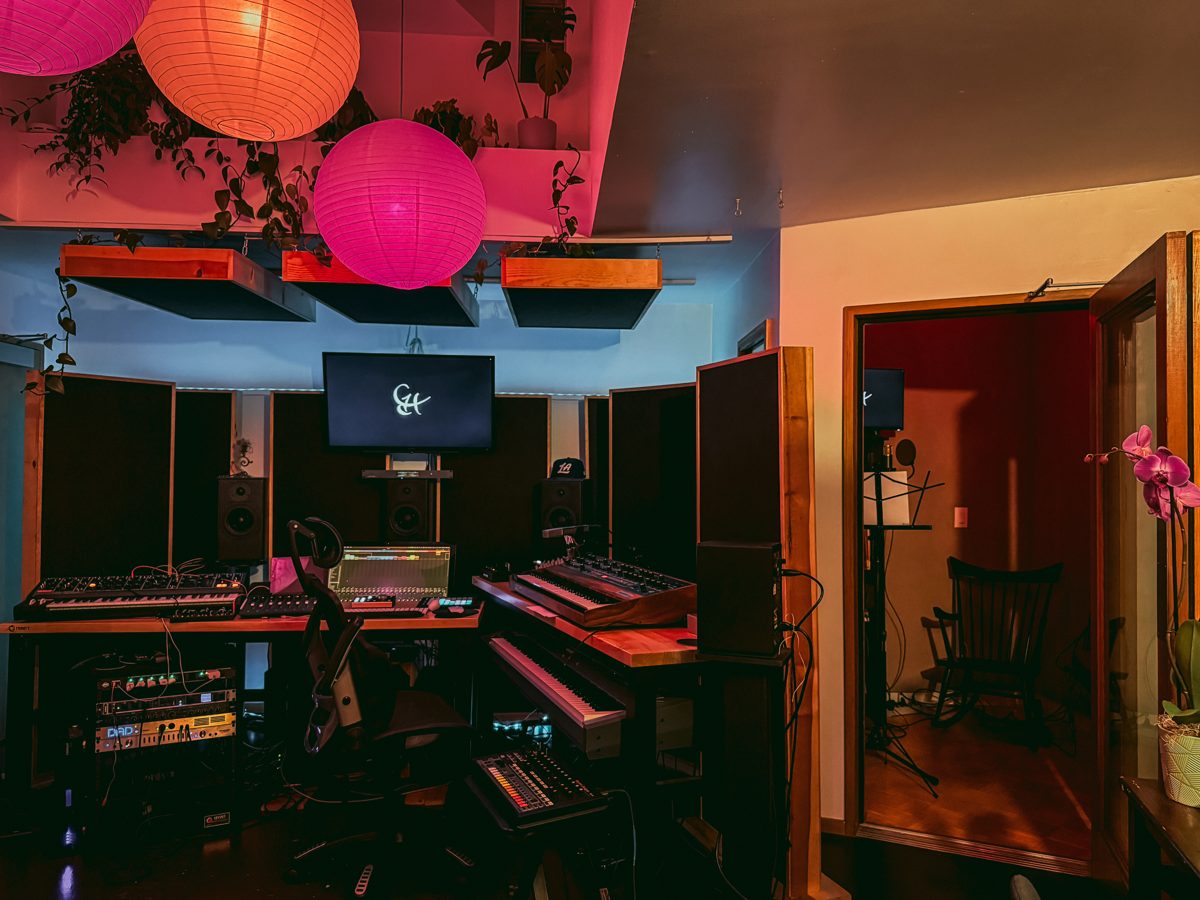
Robertson Studios at GDH Music
Private studios with professional acoustic treatment and supportive community.
Roc City Studios
Private month-to-month rehearsal lockout with 24-hour access in the NoHo Arts District.
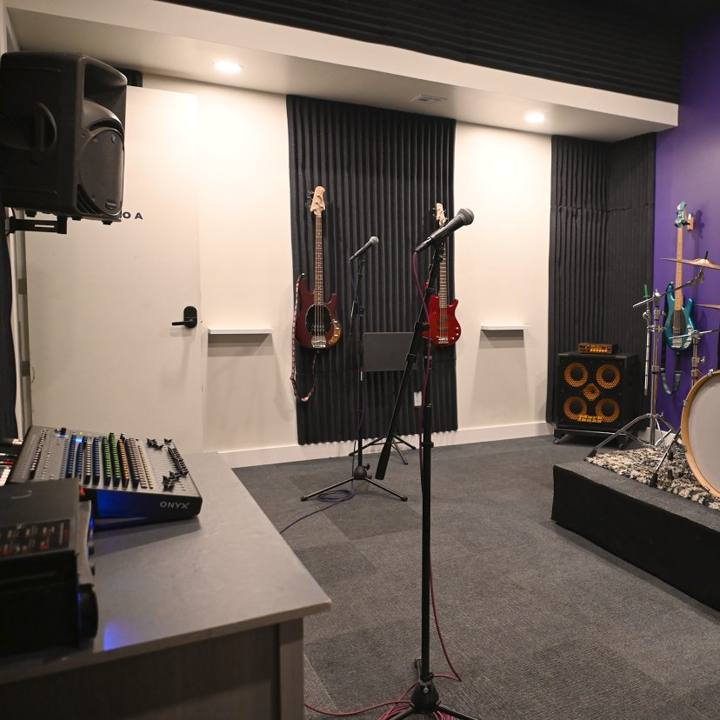
Rocket Rehearsal Studios
Music rehearsal rooms in Santa Clarita with hourly rates and monthly membership plans.
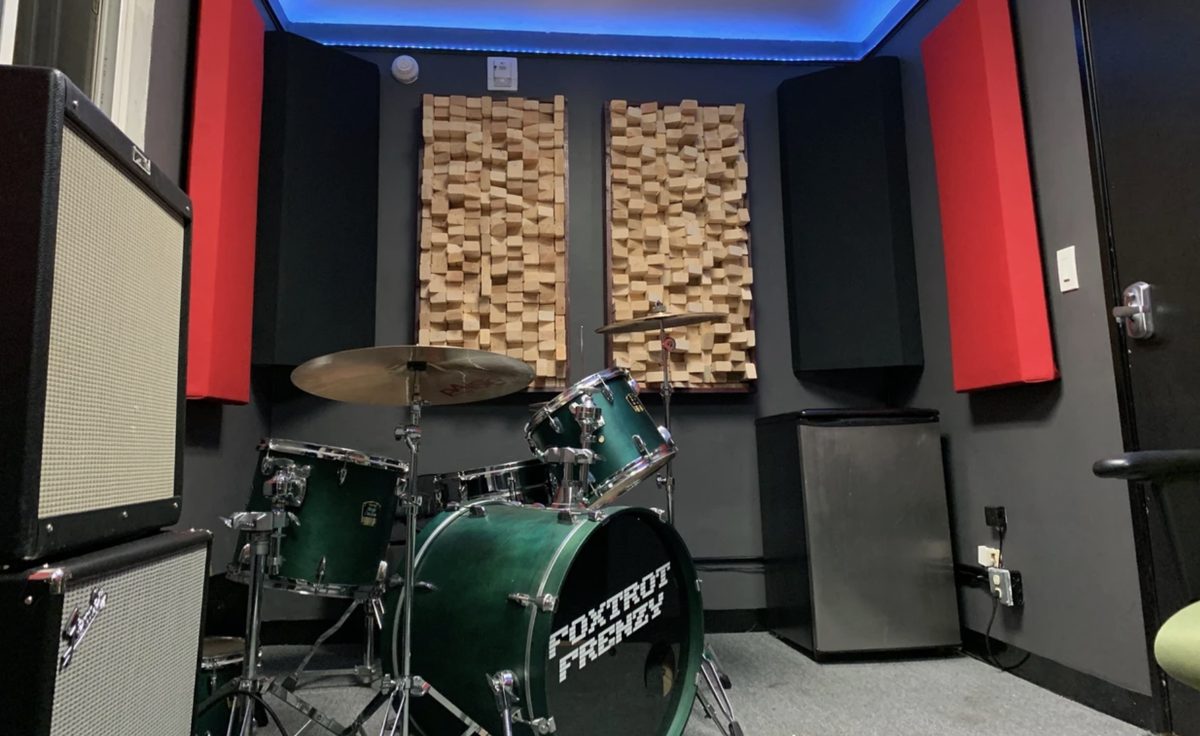
Royal Rehearsal
Monthly lockout studios with online booking and shared facilities available.
SGV Sound
Recording and rehearsal studio on Main St in Alhambra. Online booking is coming soon; contact the studio to book a rehearsal.
Shane Salk Productions
High-production-value audio dramas, including notable video game projects.
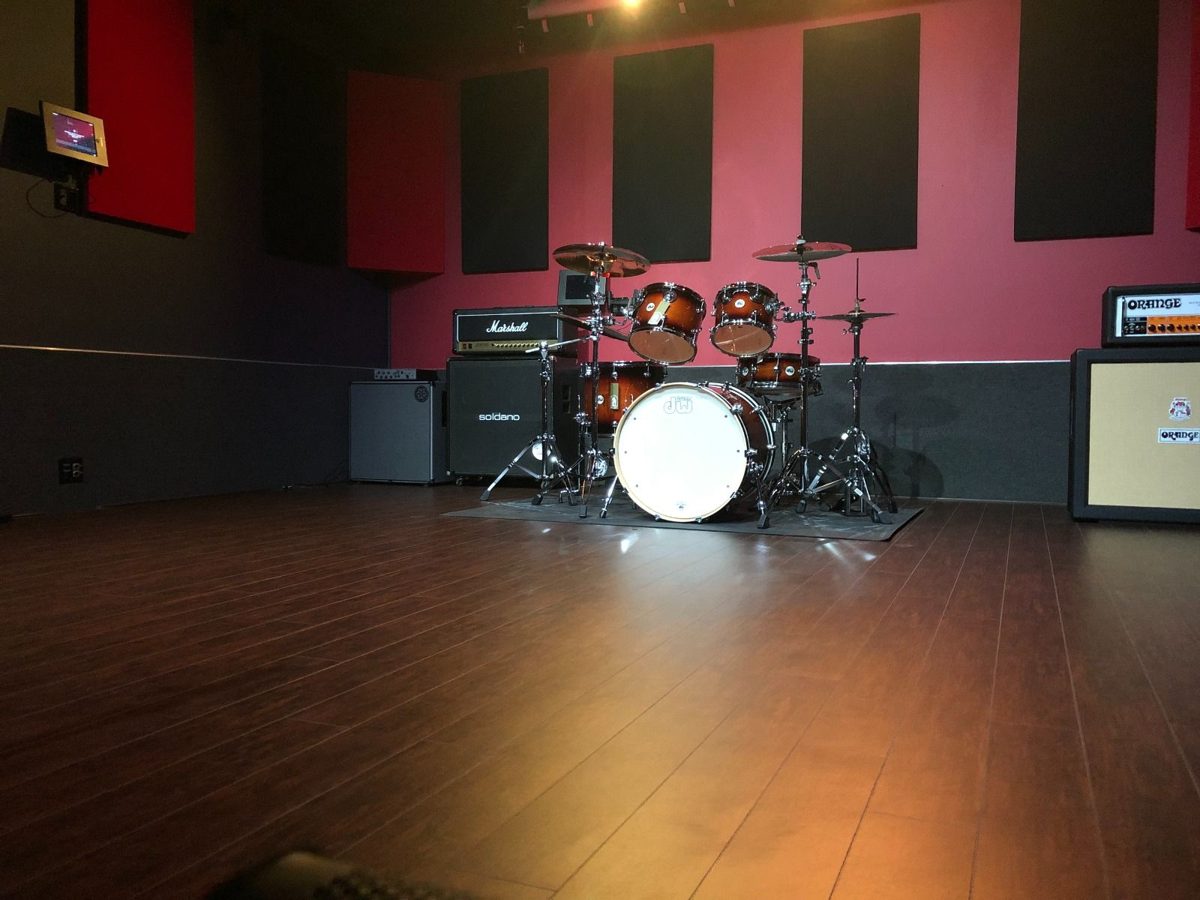
Snaggletooth Studios
Distinct rehearsal studio offering professional equipment and soundproofing.
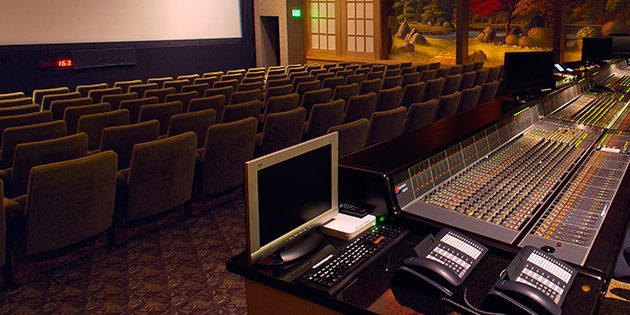
Sony Pictures
Three advanced ADR studios with high-speed data capabilities.
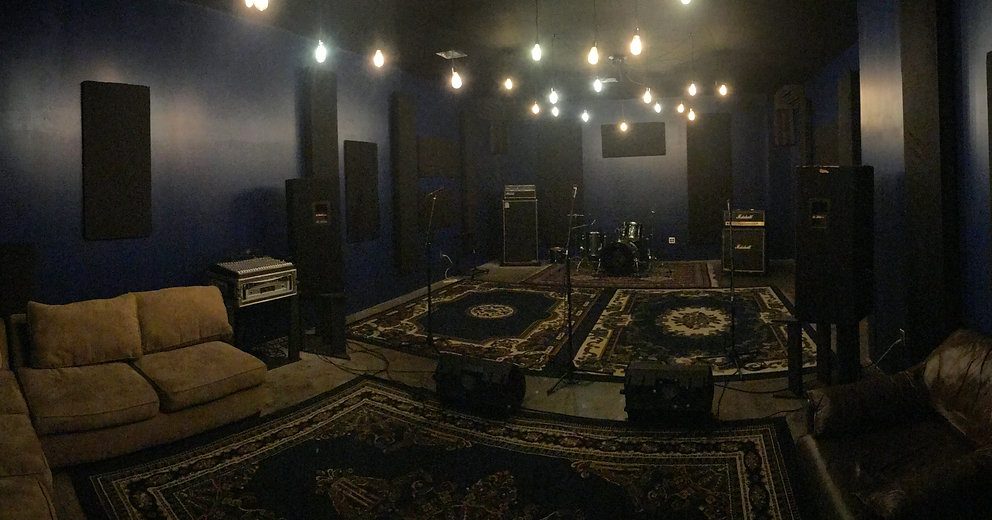
SoundBite Studios
Fully equipped studios for bands, solo artists, and producers.
Soundwall Studios
Five rooms, professional equipment, flexible booking, no in-house engineer.
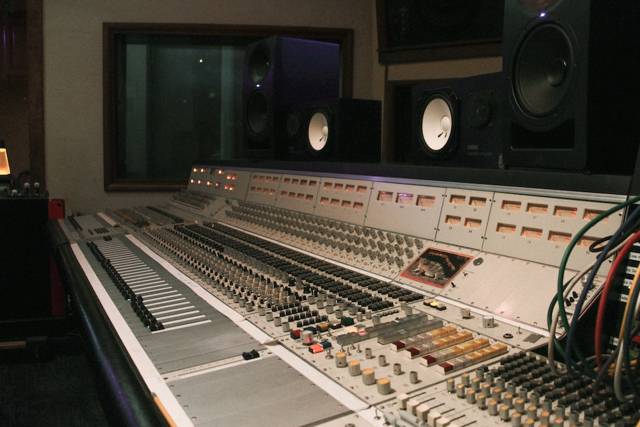
Stagg Street Studio
Recording studio in Van Nuys with more than 40 years of history.
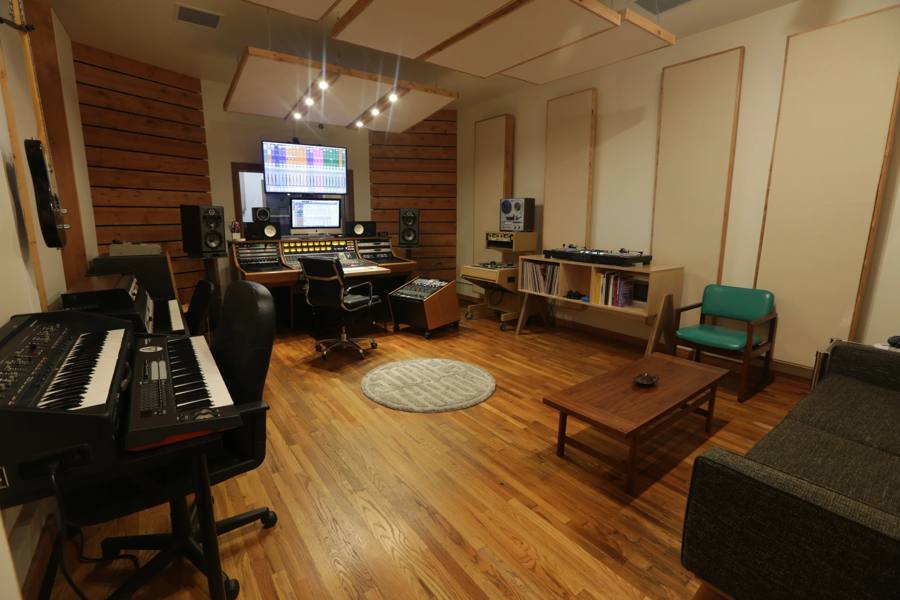
Stones Throw Studios
Full-service recording, mixing and mastering facility in Highland Park.
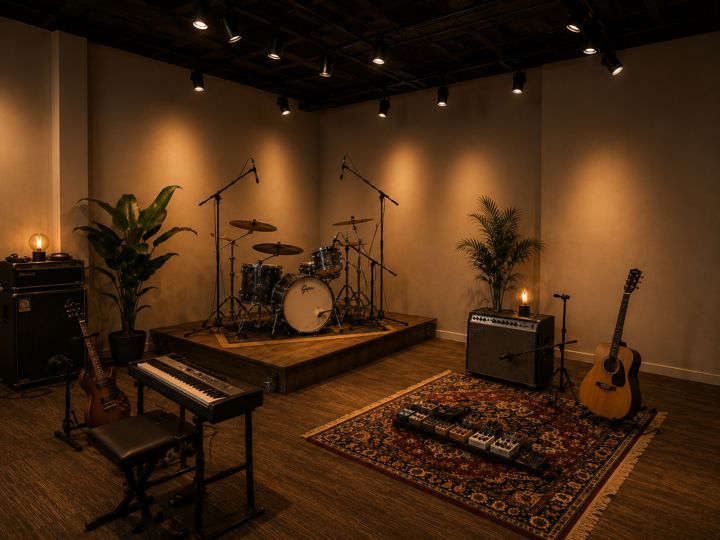
Studio 136
Professional recording studio in Pasadena for music and media production.
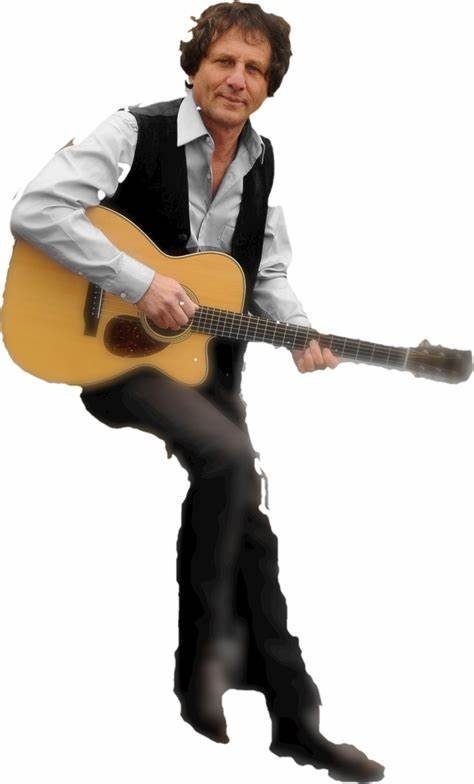
Studio 257
Andy Kimbel provides personalized recording services for singer-songwriters.
Studio Awesome
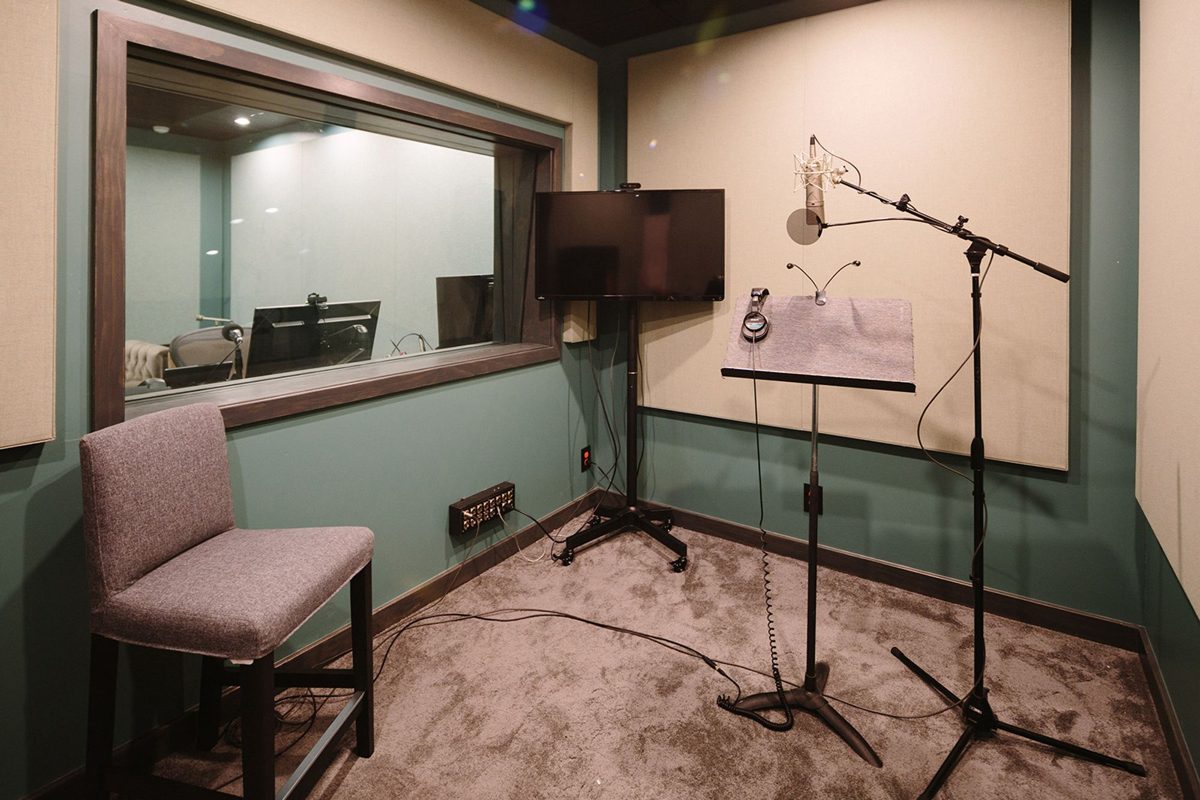
Premier voice-over studio with multiple booths and remote session capabilities.
Studio Evolution Sound
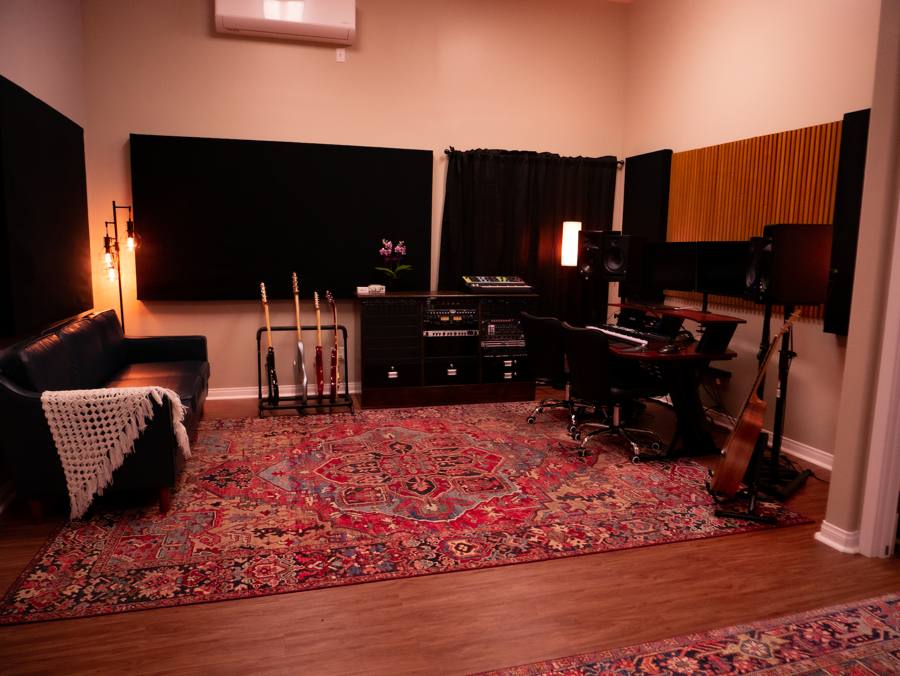
Recording, mixing and live sound studio in Sherman Oaks for artists, bands and engineers.
Studio Lyfe
Summit Studios
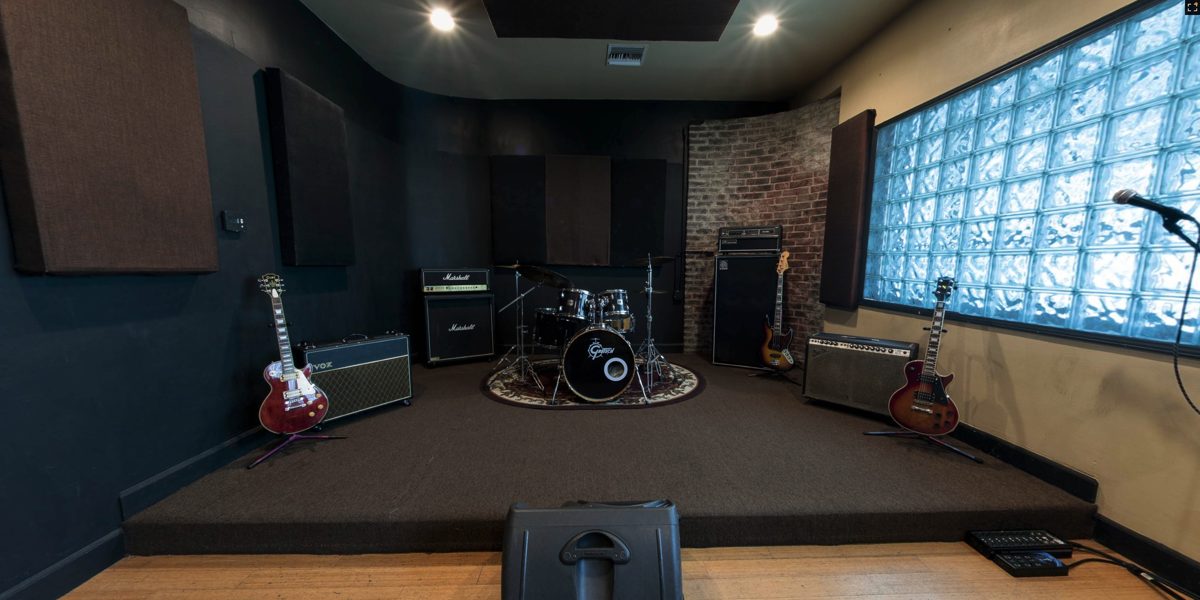
Affordable rehearsal studio with clean gear and sound isolation.
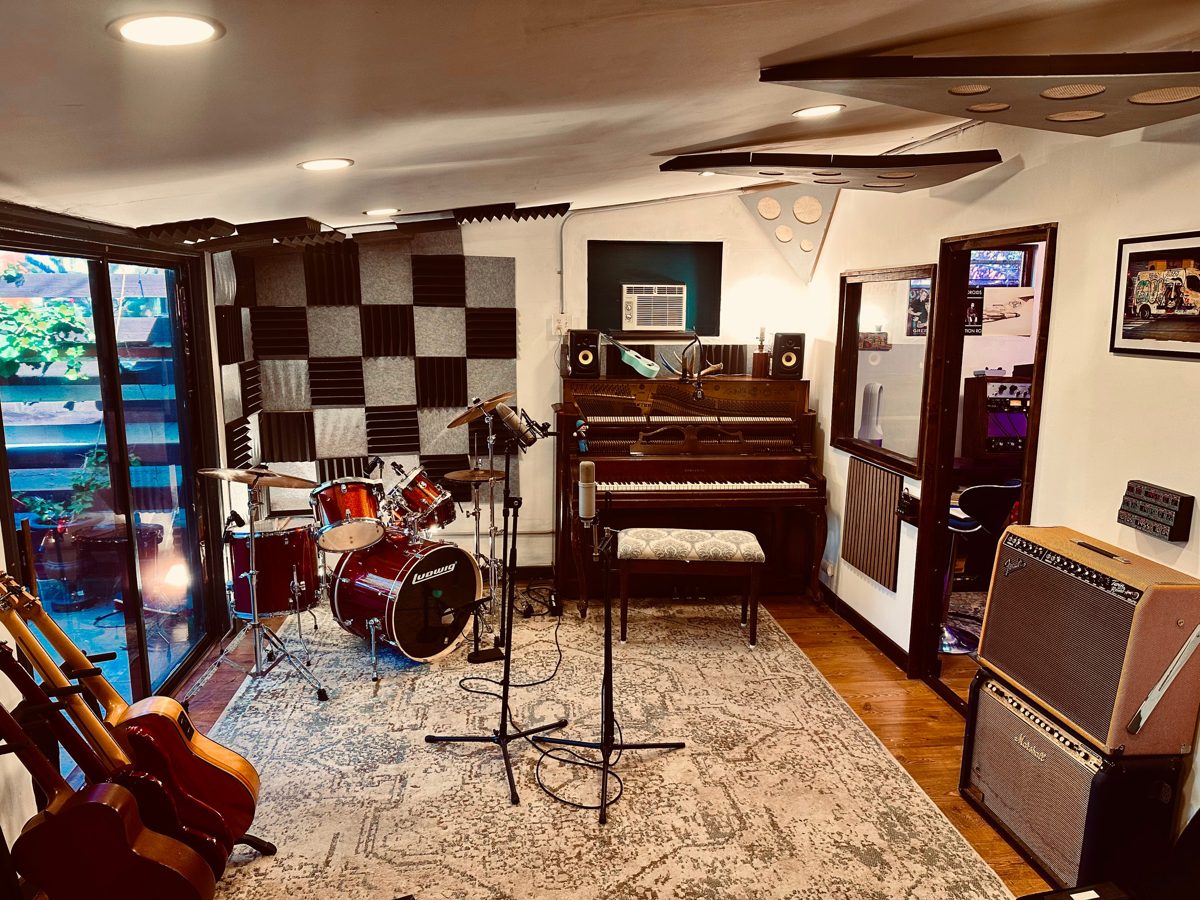
That Little Studio
Boutique studio with a bar and authentic Mexican food nearby.
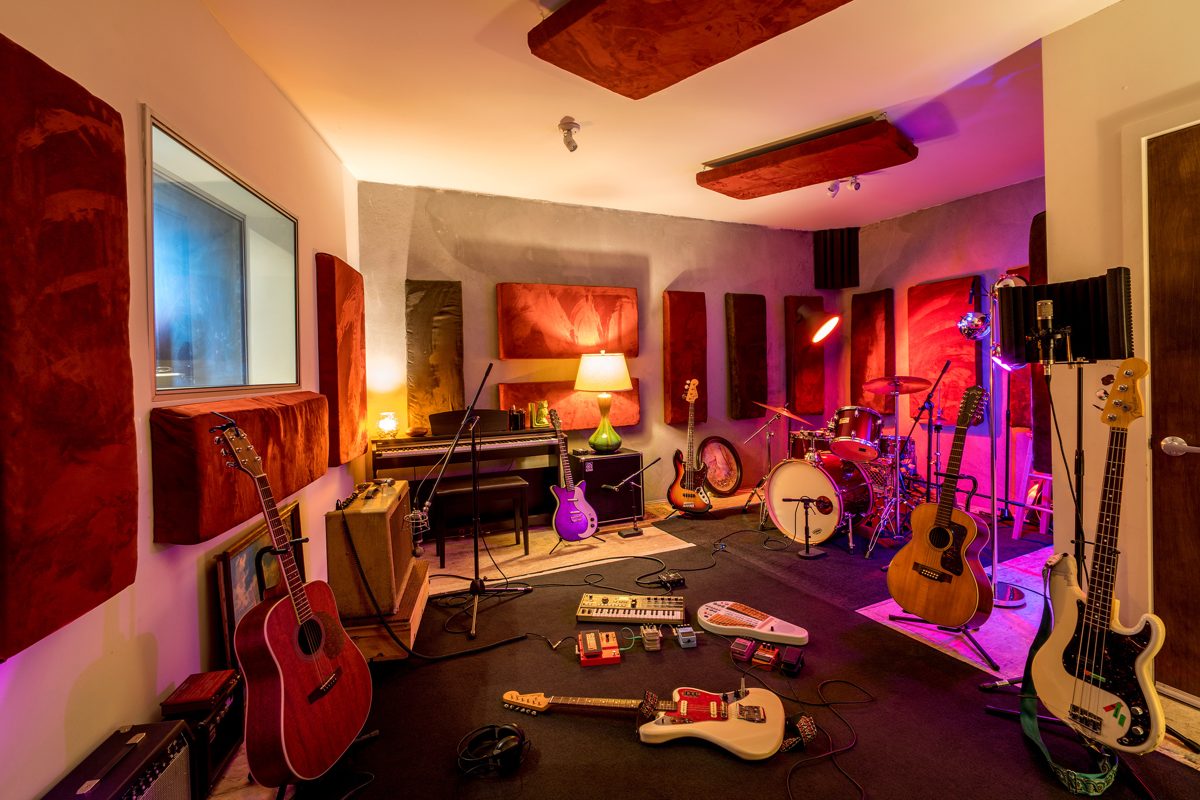
The Barbershop
Hybrid analog-digital studio with unique equipment, ideal for creatives.
The Beehive LA
Professional rehearsal and production studios in Los Angeles, including touring rehearsal studios.
The Network Studios
Podcast, video podcast and voice-over recording studio in Culver City. Recording options from in-studio rentals to full-service production.
The Pie Studios
Audio recording and editing studio in Pasadena for independent and label artists.
The Pod Place
Video podcast studio in downtown Los Angeles with multi-camera recording, studio lighting and an on-site engineer.
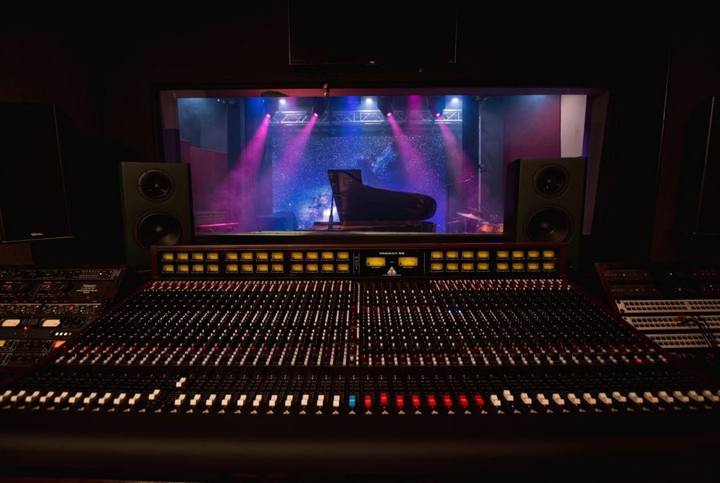
The Recording Club
Members-only music facility in Santa Monica with monthly memberships. Tours by appointment, closed Mondays.
The Room Recording Studios
Eight recording studios across four LA locations (Melrose, Studio City, Burbank and Canoga Park). Open 24/7, with lockout deals.
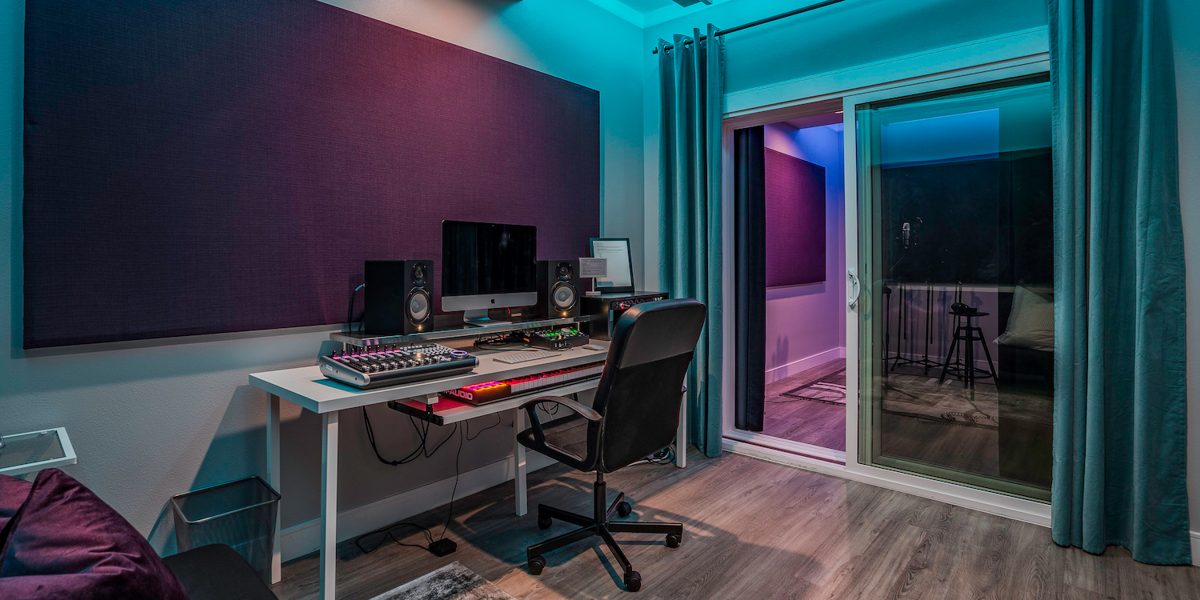
The Williamson
Private, acoustically designed studios with luxury amenities and exclusivity.
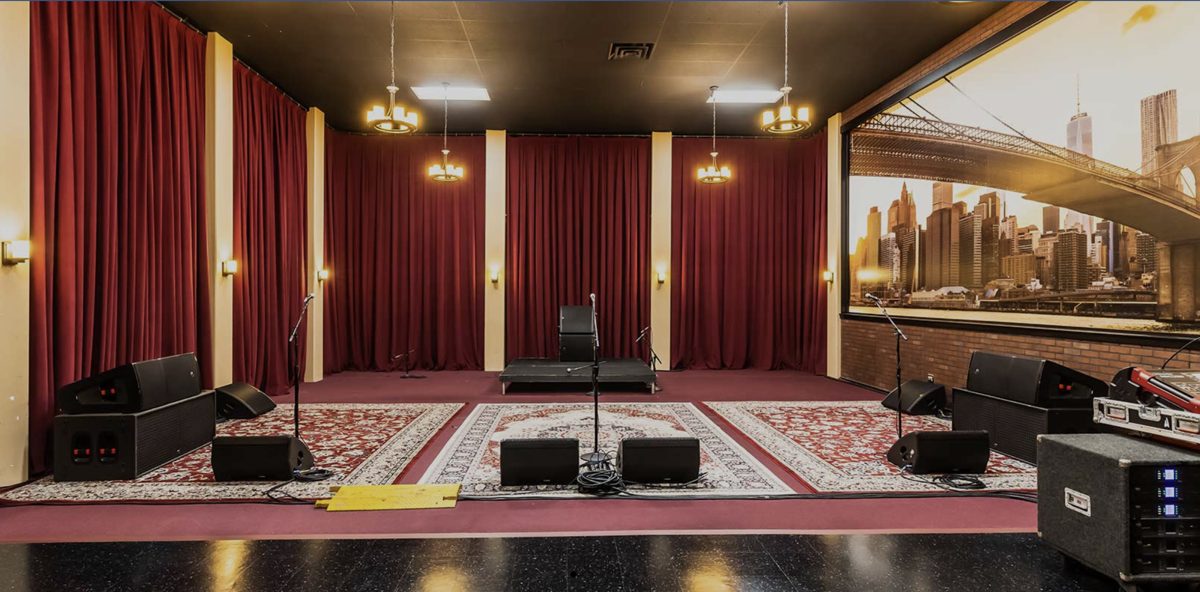
Third Encore
Rehearsal studios with excellent acoustics for professional performances.
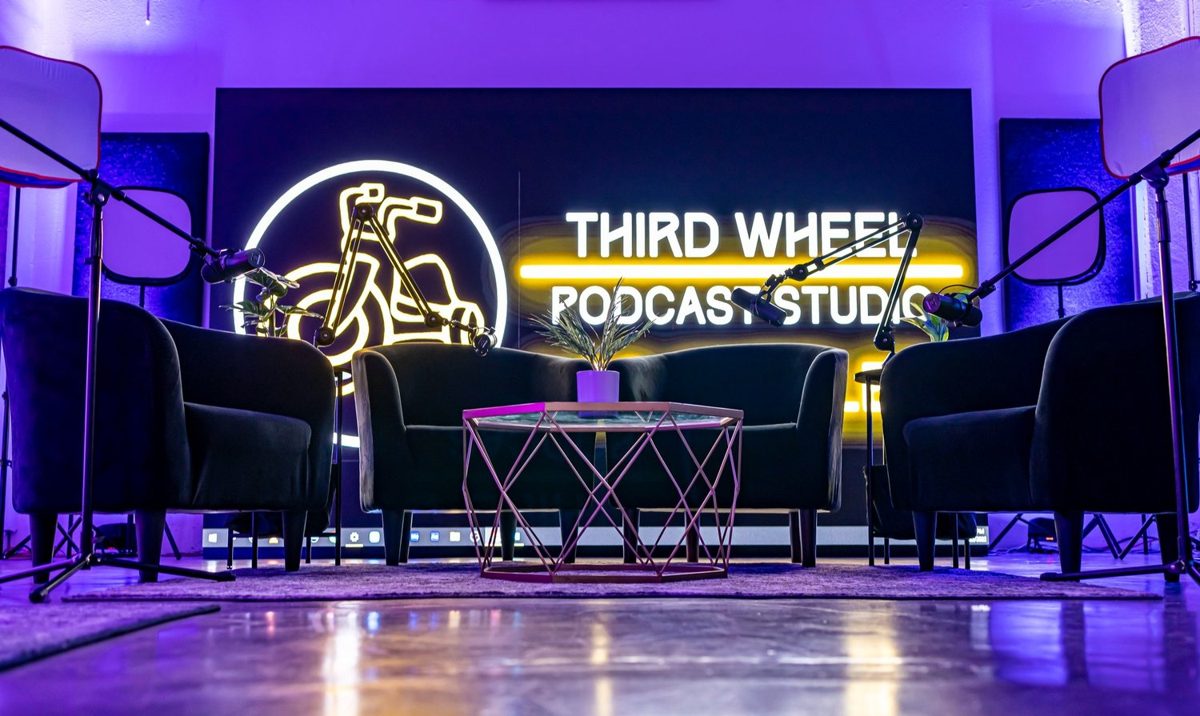
Third Wheel
Cozy atmosphere, flexible booking, advanced recording equipment available.
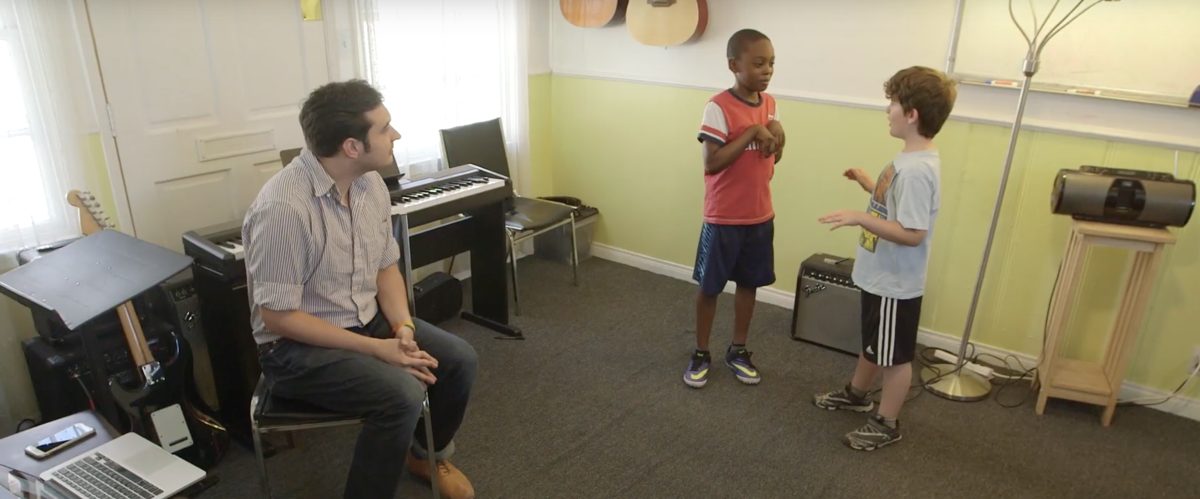
Tiffany Music Academy
Hourly practice room rentals equipped with Yamaha keyboards and guitars.
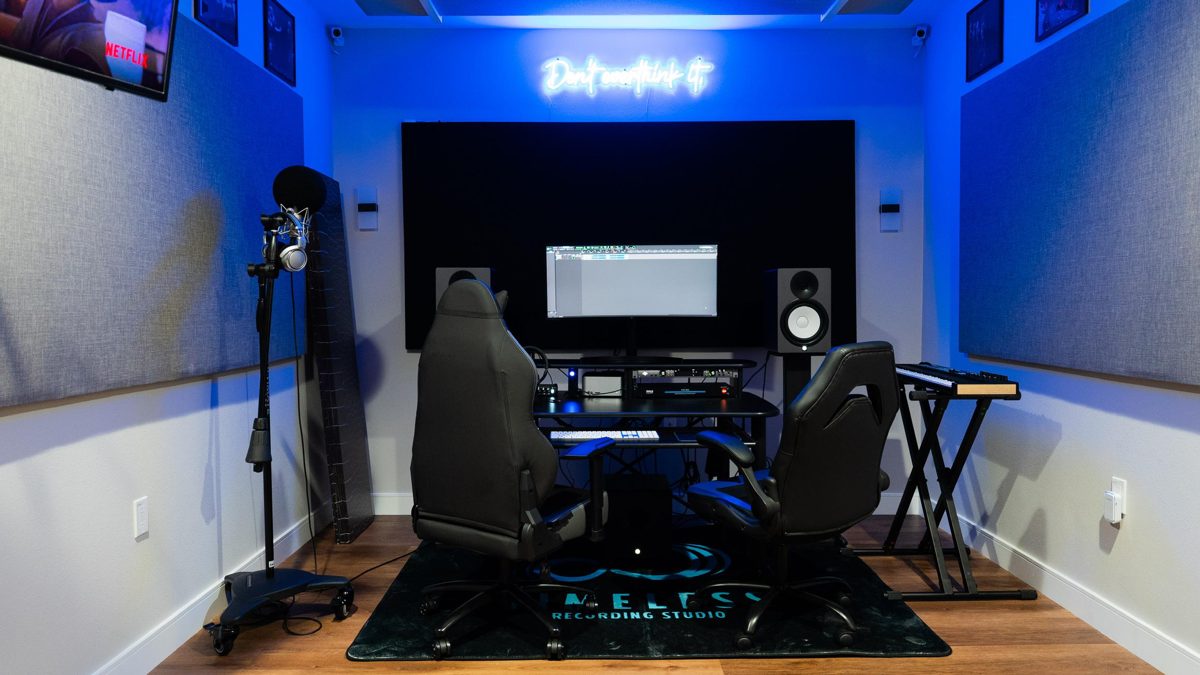
Timeless
All-in-one production hub for music and video content creation.
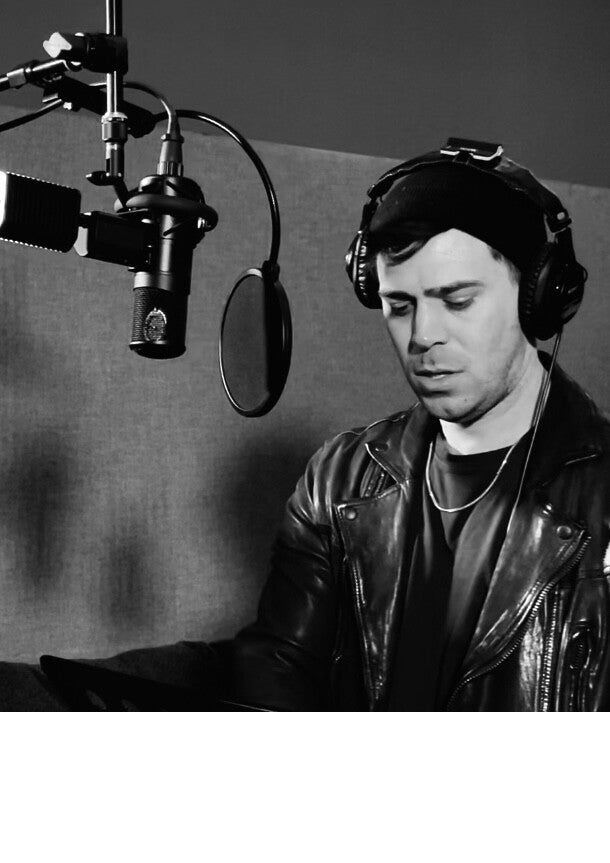
Timeless Records Studios
Top-notch audio production with state-of-the-art equipment and expertise.
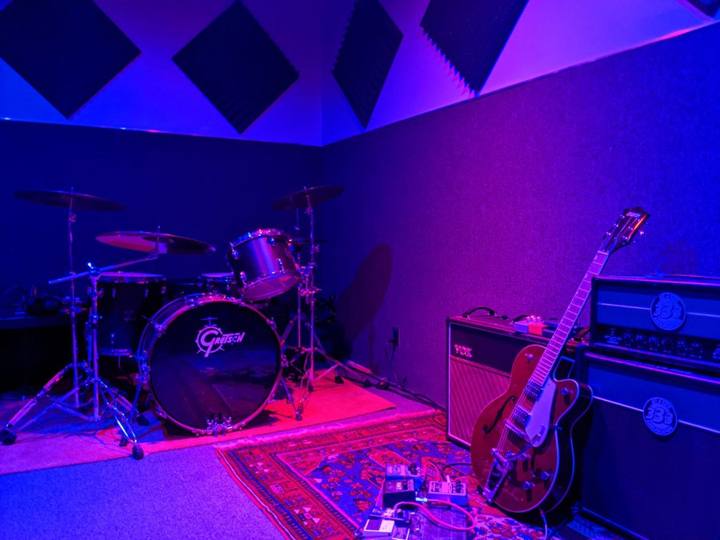
TK Rehearsal Studios
Lockout studio service with over 300 rooms across West LA and North Hollywood, plus Las Vegas. 24-hour access.
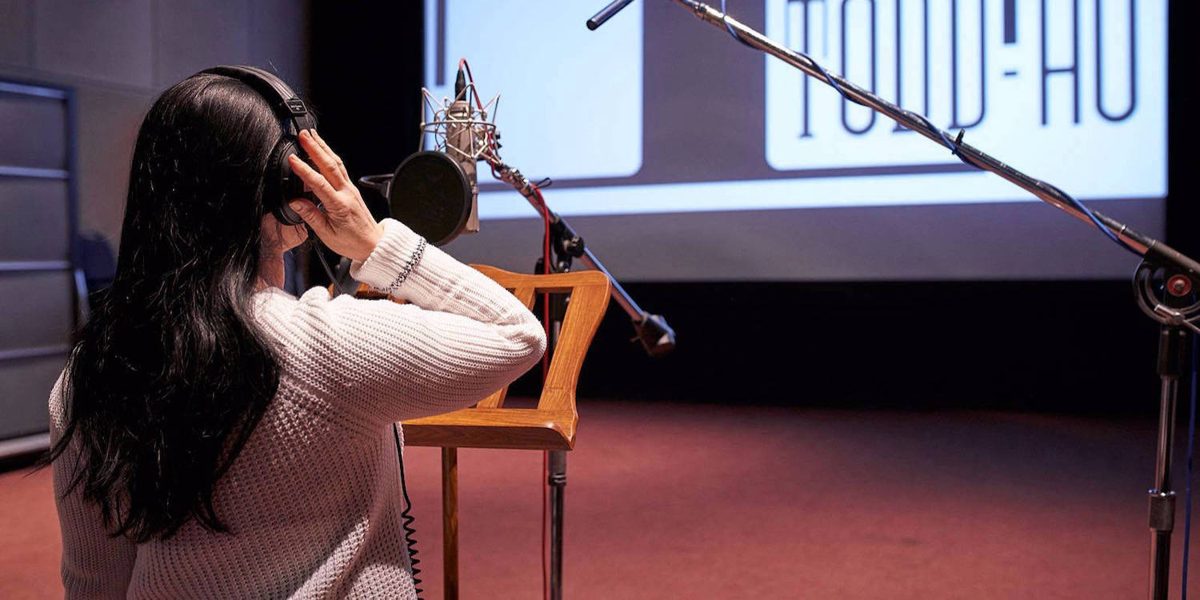
TODD-AO
Specializes in ADR mixing, featuring a large historic stage.
Total Access Rehearsal
Private band rehearsal suite in Redondo Beach with hourly and full-day lockout rates.
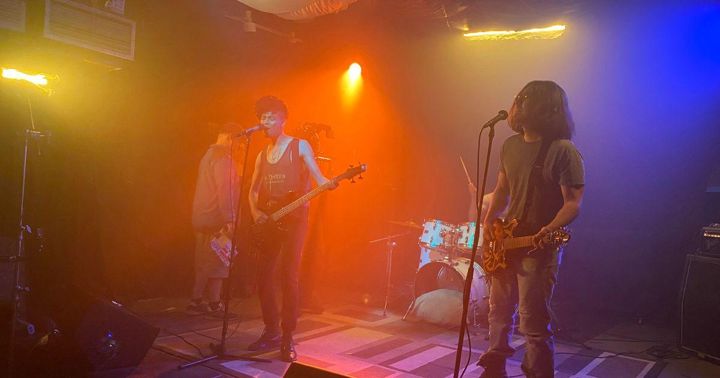
Uncle Rehearsal Studios
Rehearsal studio in Van Nuys serving the San Fernando Valley since 1979.
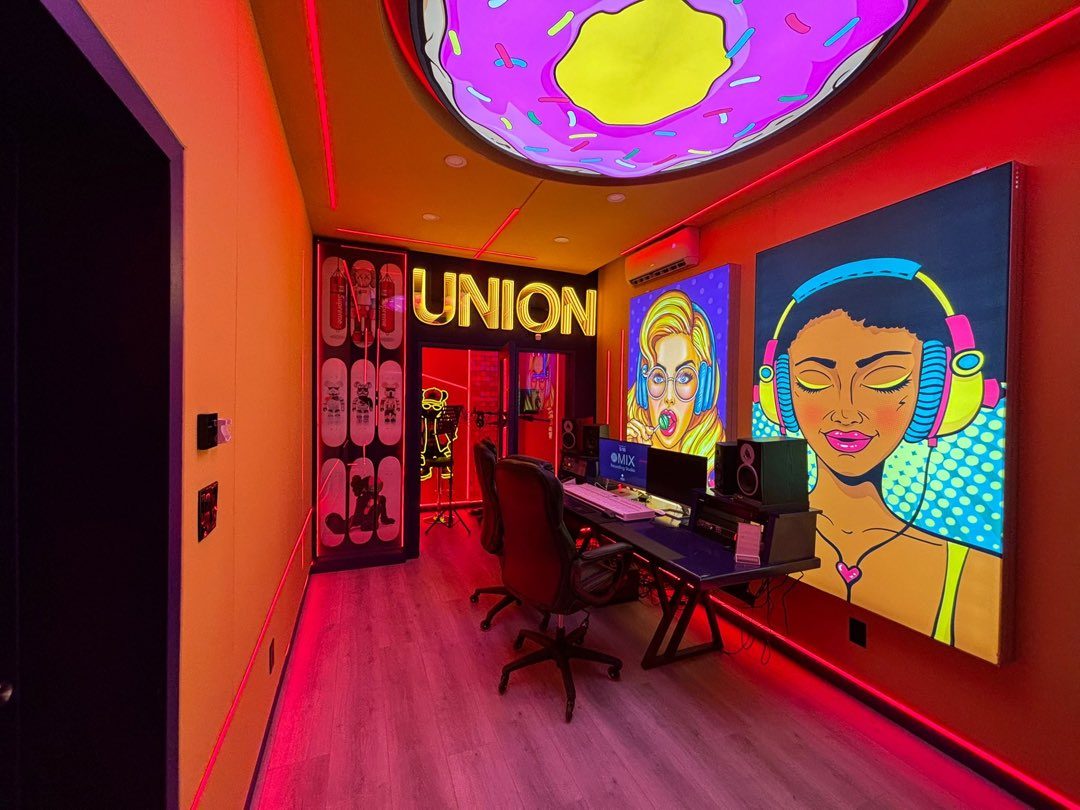
Union Recording Studio
Venice Podcast Studio
Video podcast studio in Los Angeles, booked hourly or in multi-session bundles.
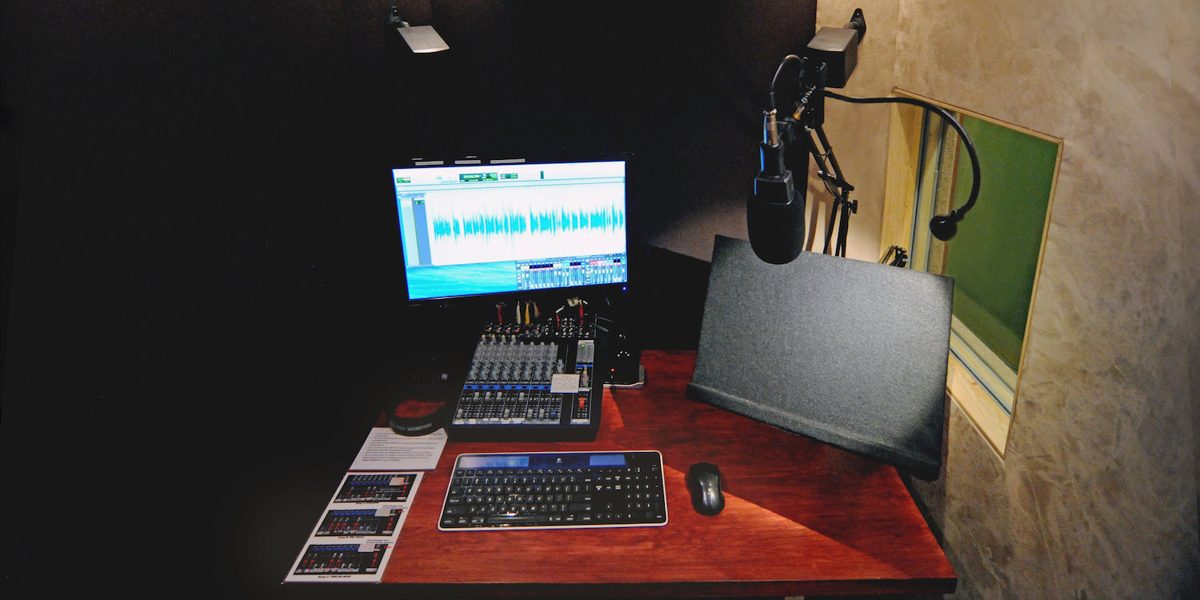
Voice Trax West (DIY Booth)
Self-recording booth available with professional audio editing tools.
Warner Brothers
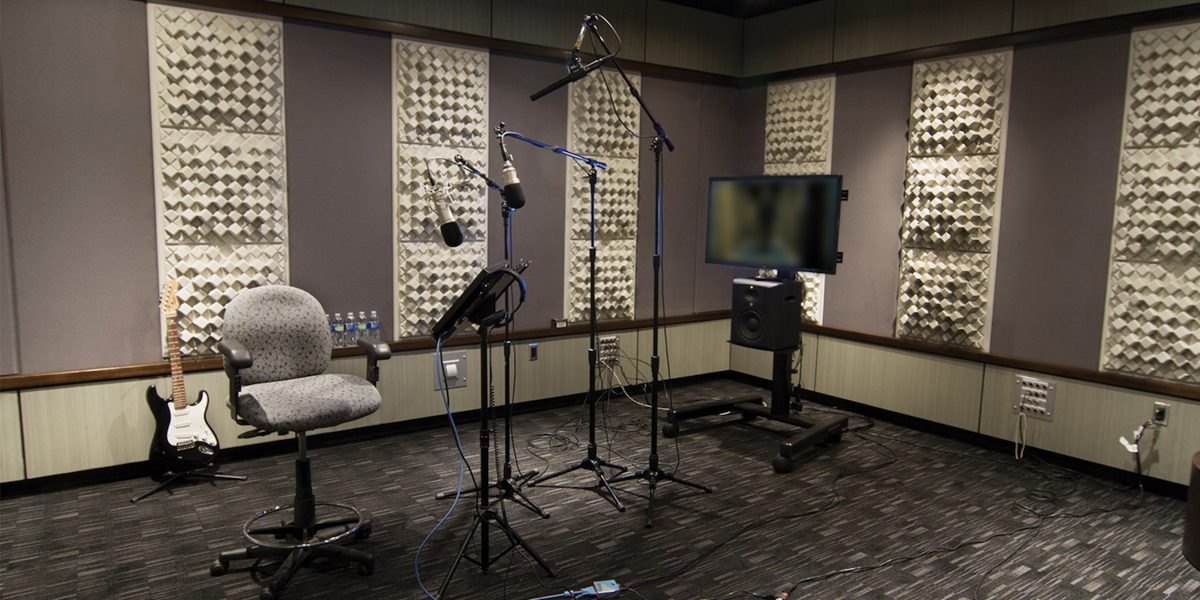
Established ADR and voiceover studio with professional sound capabilities.
West L.A. Studios
Seven rehearsal rooms in West LA, each with drums, bass rig, guitar amps and a PA included. Open since 1988. Bookings by phone only.
Westlake Recording Studios
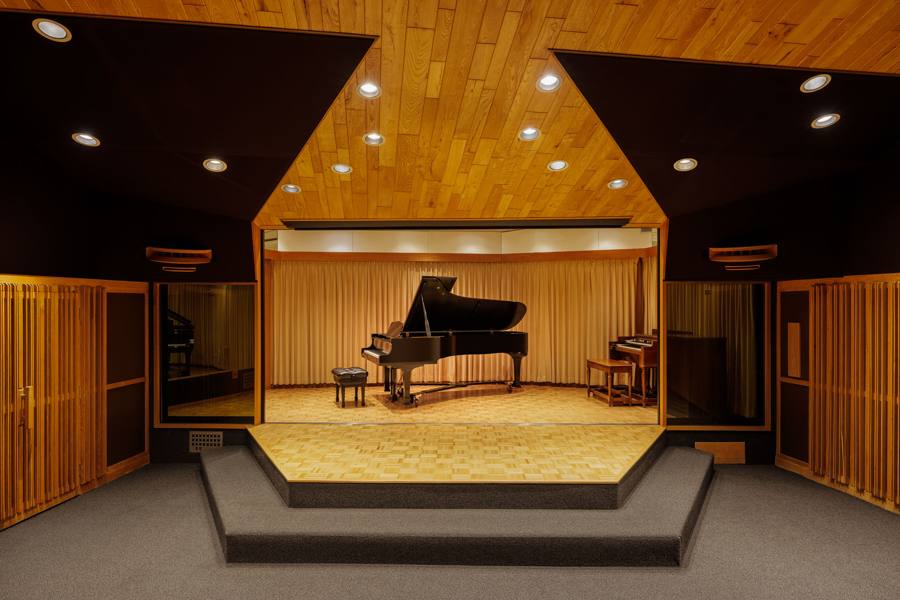
Full-service recording facility in West Hollywood with five studios, two production suites and a barn. Studio A has an SSL XL 9080K console.
WTF Media
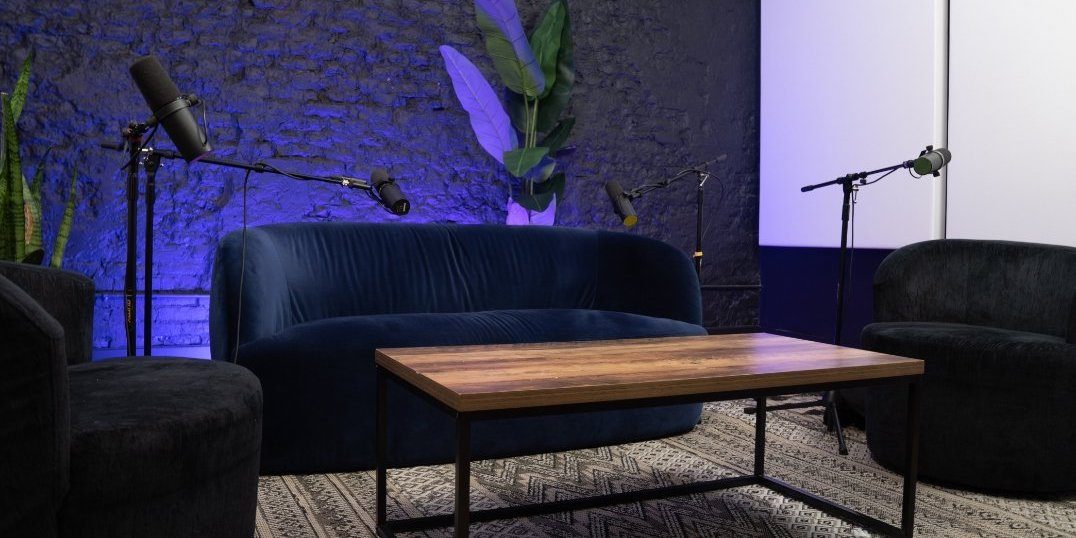
Hourly podcast studio with professional equipment and flexible bookings.
XLNT Studios
Full-service music studio at Hollywood and Vine with monthly lockout recording studios.
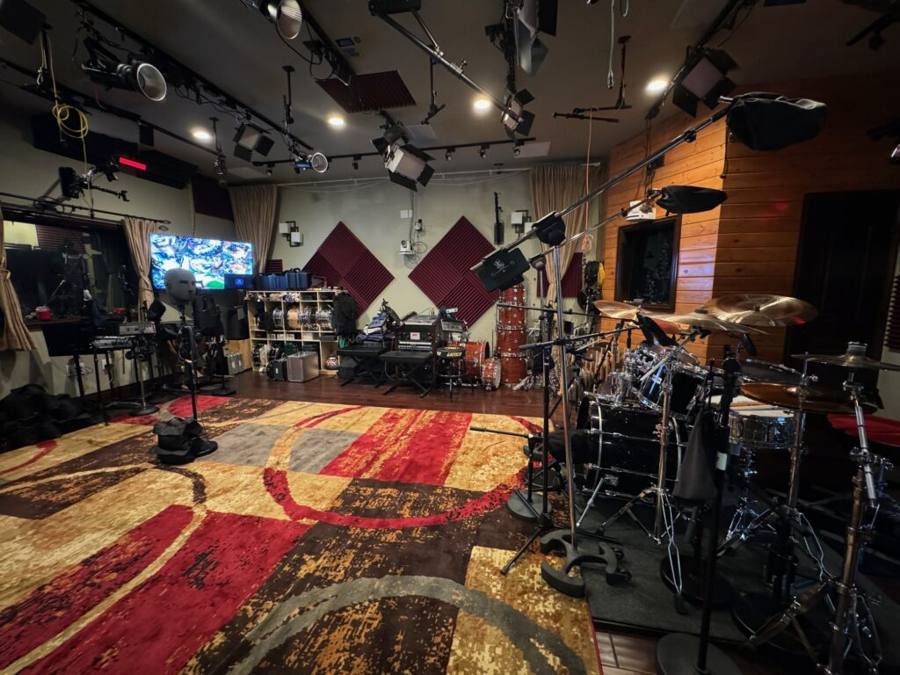
Yaniv's Studio
Recording studio in Woodland Hills with recording rooms, vocal rooms and control rooms. Offers music production, mixing, mastering and live...